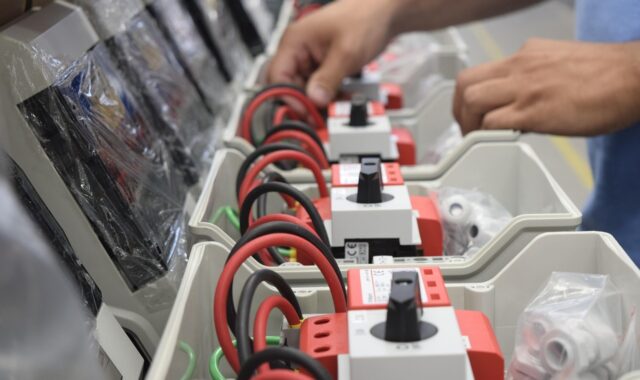
Solar devices for homes in 2026 and how to choose the right setup
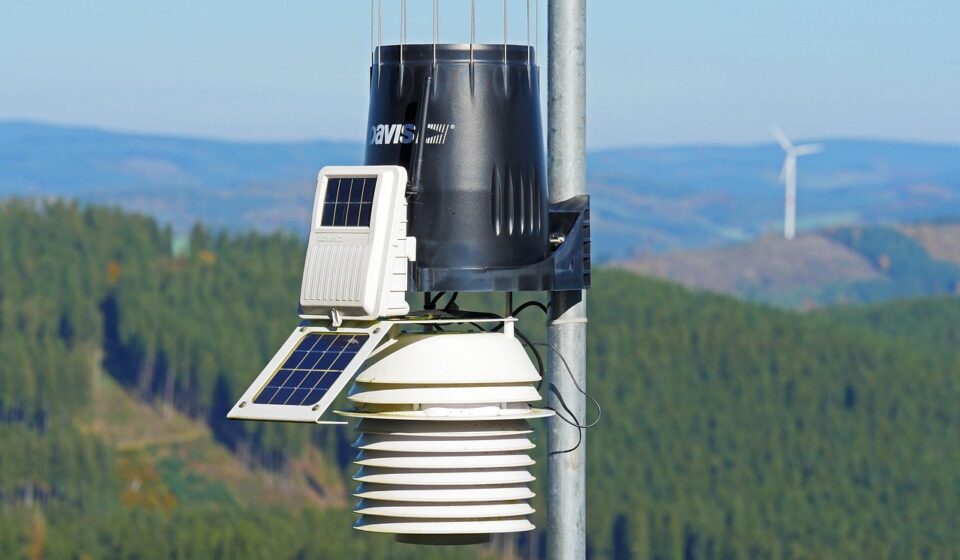
a[data-rs-seo-link]{text-decoration:underline!important;color:#1a56db!important;cursor:pointer!important;}a[data-rs-seo-link]{text-decoration:underline!important;color:#1a56db!important;cursor:pointer!important;}
Why solar devices now mean more than panels
Solar devices are no longer just rooftop modules that produce electricity when the sun is out. In 2026, a practical home solar setup often includes several connected parts: photovoltaic panels, an inverter or microinverters, battery storage, monitoring software, load controls, EV charging equipment and, in some cases, portable solar products for backup or outdoor use. The right mix depends on the household’s main goal. Lower utility bills, outage preparation, electric vehicle charging and small-device backup all lead to different equipment choices. For readers comparing product categories, the Solar Products section is a useful place to continue exploring related topics.
The important shift is that buyers are now evaluating systems, not isolated gadgets. A solar panel without the right inverter cannot power a home. A battery that is not sized correctly may not support critical loads for long. A smart controller that cannot communicate with the right devices may add little value. Understanding the role of each device helps homeowners avoid overbuying, under-sizing or choosing products that do not work well together.

The core solar devices in a residential system
A home solar installation usually starts with photovoltaic modules. These panels convert sunlight into direct current electricity. That output then passes through power electronics before it can be used by household appliances or exported to the grid. The U.S. Department of Energy describes inverters as devices that convert direct current from solar photovoltaic panels into alternating current for use on the electric grid or in buildings.
Several inverter designs are used in residential systems, and each affects monitoring, maintenance and performance under shade. A string inverter connects a group of panels to one central conversion device. Microinverters sit at the module level and convert electricity panel by panel. Power optimizers are also installed near panels, but they work with a central inverter. The right design depends on roof layout, shade patterns, installer preference, code requirements and budget.
Battery storage has become another major device category. A battery stores energy for later use, which can help during outages or during expensive time-of-use electricity periods. The IRS has treated qualifying battery storage technology as eligible clean energy property when it meets stated requirements, including a minimum capacity of 3 kilowatt hours for the residential clean energy credit rules that applied to qualifying installations through December 31, 2025. Tax rules can change, so consumers should verify current eligibility with the IRS or a tax professional before making a purchase decision.
| Device | Main role | Key buying question |
|---|---|---|
| Solar panels | Generate electricity from sunlight | How much annual production can the roof realistically support? |
| Inverter or microinverters | Convert DC electricity into usable AC electricity | Does the design fit shade, roof layout and monitoring needs? |
| Battery storage | Stores energy for backup or later use | Which loads must run, and for how long? |
| Energy monitor | Shows production and consumption data | Does it track both solar output and household demand? |
| Smart load controller | Prioritizes circuits during outages or peak pricing | Can it control the appliances that matter most? |
| EV charger | Charges an electric vehicle from home power | Can it coordinate with solar generation and utility rates? |
Smart controls are becoming part of the solar product conversation
Smart energy management is one of the clearest differences between older solar installations and newer home energy setups. ENERGY STAR describes smart home energy management systems as packages that can help schedule smart devices, suggest energy-saving actions based on usage patterns and automatically control devices based on occupancy. In a solar home, that can mean shifting appliance use, EV charging or battery charging to more favorable times.
The key question is not whether the app looks polished. It is whether the controls can make useful decisions. A monitoring app that only reports solar production is different from a home energy management system that can coordinate solar output, battery charging, HVAC demand and EV charging. The second type can be more valuable in homes with time-of-use rates, demand charges or backup-power goals.
Compatibility needs close attention. Some systems work best inside one manufacturer’s ecosystem. Others connect with third-party thermostats, chargers, batteries or smart panels. A closed ecosystem can be simpler to install and support, while an open ecosystem may offer more flexibility. Buyers should ask installers which devices are controlled directly, which are only monitored and which require a separate subscription or gateway.
Portable solar devices and solar generators have a different job
Portable solar panels, solar chargers and so-called solar generators are often grouped with home solar devices, but they serve a different need. They are usually designed for camping, short-term backup, outdoor work, emergency charging or small appliances. They are not a substitute for a permitted rooftop system connected to a home electrical panel.
A portable solar generator generally combines a battery, inverter, charge controller and outlets in one unit. When paired with folding panels, it can recharge from sunlight. Useful capacity depends on the watt-hour rating of the battery, the output rating of the inverter and the real solar input available. A small unit may charge phones, lights, a laptop or a small refrigerator for limited periods. Larger units can support more loads, but they also become heavier and more expensive.
Buyers should be careful with marketing language. “Solar generator” does not mean the device creates power on demand like a fuel generator. It stores electricity and can be recharged by panels, grid power or sometimes a vehicle outlet. Performance depends on sunlight, panel size, battery capacity and connected loads. For emergency planning, it is better to list essential devices and estimate daily watt-hour use than to rely on broad product labels.
Policy, data and safety checks buyers should not ignore
Solar device decisions are shaped by more than hardware. Incentives, utility rules, local codes and product safety standards can change both the economics and the feasibility of a project. As of September 2026, current IRS public guidance states that the Residential Clean Energy Credit equaled 30% of costs for new qualified clean energy property installed from 2022 through December 31, 2025, and that the credit is not available for property placed in service after December 31, 2025. Because older articles may still mention the prior phaseout schedule, homeowners should confirm current tax treatment before signing a contract.
Market data has also become more detailed. Berkeley Lab’s 2026 update to its U.S. distributed solar and storage dataset says the latest release contains information on roughly 5.3 million individual distributed solar and solar-plus-storage systems installed through the end of 2025. The U.S. Energy Information Administration also reports that its EIA-861M data collection includes net-metered photovoltaic systems and, since August 2023, collects both PV-paired battery capacity and stand-alone battery capacity. These data sources show why batteries and system-level design are now part of mainstream solar analysis.
Safety is just as important. Battery systems should be evaluated against recognized standards and installed according to local code, manufacturer instructions and permitting requirements. UL identifies UL 9540 as a safety standard for energy storage systems and equipment, while UL 9540A addresses thermal runaway fire propagation testing. The National Fire Protection Association has also warned that energy storage systems require attention to hazards such as thermal runaway, stranded energy and fire response complexity. For homeowners, the practical takeaway is simple: use qualified installers, insist on listed equipment and do not treat battery placement as an afterthought.
How to choose the right solar devices for a home
The most reliable way to choose solar devices is to start with the problem the system needs to solve. A household focused on bill reduction may prioritize panel production, inverter efficiency and utility export rules. A household focused on resilience may prioritize batteries, critical-load panels and smart load controls. A household adding an electric vehicle may need to revisit system size, charger placement and daily charging behavior. See also: Buying Guides.
- Define the primary goal. Bill savings, backup power, EV charging, sustainability and portability point to different device combinations.
- Review electricity usage. Use at least 12 months of utility bills when possible, and account for future loads such as EVs, heat pumps or induction cooking.
- Separate whole-home backup from critical-load backup. Running an entire house during an outage requires a much larger system than supporting a refrigerator, lights, internet equipment and selected outlets.
- Check utility rate design. Net metering, time-of-use pricing and demand charges can change the value of batteries and load controls.
- Ask about interoperability. Confirm whether panels, inverters, batteries, smart panels and EV chargers are designed to work together.
- Verify warranties and service responsibility. A system made of several devices can create confusion if each manufacturer points to another during a fault.
- Confirm permitting and code compliance. Roof work, electrical work, interconnection approval and battery placement should be handled before installation, not after.
For many households, the best first step is a clear load assessment. List what must be powered every day, what can be shifted to daytime solar production and what must run during an outage. This gives buyers a practical basis for comparing solar panels, batteries and control devices instead of relying on package names or broad capacity claims.
Common mistakes when comparing solar devices
One common mistake is comparing only panel wattage. Panel rating matters, but actual production depends on roof angle, orientation, shading, climate, system losses and inverter design. A lower-rated system on a better roof can sometimes outperform a larger system in a poor location.
Another mistake is assuming every battery provides the same kind of backup. Some batteries are designed primarily for daily cycling and bill management. Others are configured for backup power with automatic transfer equipment and selected circuits. Usable capacity, continuous power output and surge capability all matter. A battery may have enough stored energy for a load but not enough instantaneous power to start it.
A third mistake is overlooking software and long-term support. Solar devices increasingly depend on apps, cloud services, firmware updates and communications gateways. If monitoring fails, the system may still produce power, but homeowners can lose visibility into performance. If a smart load panel or battery controller loses support, the value of the system can decline over time.
Finally, buyers sometimes treat portable solar devices as if they perform like rooftop systems. Portable products are useful, but they should be evaluated by realistic output and storage capacity. They are best seen as flexible tools for small loads, not direct replacements for professionally installed solar-plus-storage systems.
Frequently asked questions
What are the most important solar devices for a home?
The most important devices are solar panels, an inverter system, monitoring equipment and the electrical balance-of-system components required for safe operation. Batteries, smart panels, EV chargers and energy management systems become important when the home needs backup power, load shifting or coordinated control.
Are solar devices useful without a battery?
Yes. A grid-connected solar panel system can reduce grid electricity use even without a battery. However, many standard grid-tied systems shut down during outages for safety unless they include equipment designed for backup operation. A battery or specialized inverter setup is usually needed for meaningful backup power.
How large should a solar battery be?
The right battery size depends on the loads it must support and the desired backup duration. A critical-load setup may need far less capacity than a whole-home backup system. Homeowners should calculate essential watt-hours, peak power needs and expected solar recharge during an outage.
Do smart solar devices save money automatically?
Not automatically. Smart controls can improve value when they respond to utility rates, occupancy, solar production and battery state of charge. If a household has flat electricity pricing and simple loads, the savings from advanced controls may be smaller.
What should buyers verify before purchasing solar devices?
Buyers should verify system compatibility, warranties, installer credentials, safety listings, local permitting requirements, utility interconnection rules and current incentive eligibility. Product specifications are important, but the installation design and long-term support often determine how well the devices perform.
The bottom line on solar devices in 2026
A strong solar device strategy is not about buying the most equipment possible. It is about matching the equipment to the household’s real energy goals. Panels create the electricity, inverters make it usable, batteries store it, smart controls direct it and monitoring helps owners understand it. Portable solar devices can add flexibility for small loads and emergency planning, but they should be judged by realistic capacity and output.
In 2026, informed buyers are comparing complete systems rather than isolated products. They are checking policy dates, reading utility rules, asking about safety standards and making sure devices can communicate with one another. That approach leads to better solar decisions than chasing a single headline specification or assuming every solar product does the same job.