Solar roof tiles explained for homeowners comparing integrated solar roofing
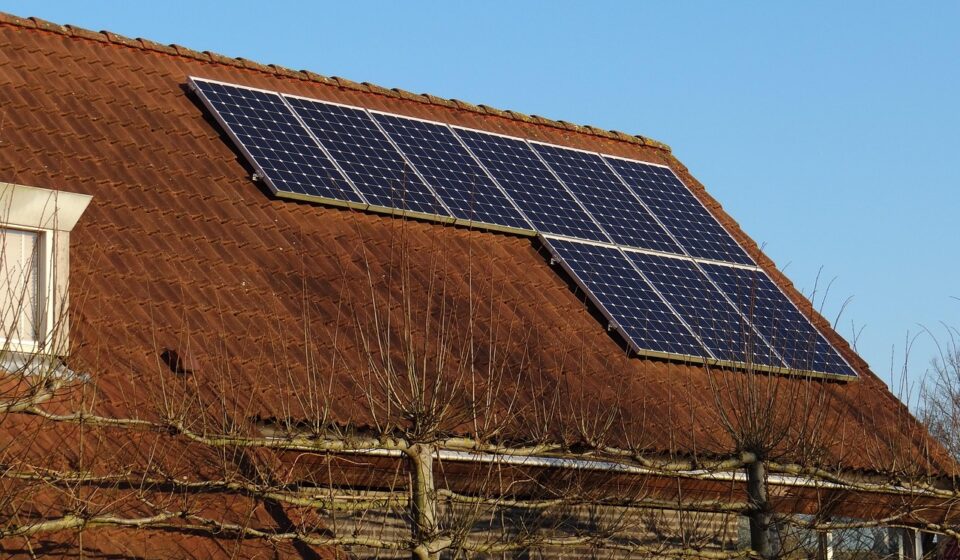
a[data-rs-seo-link]{text-decoration:underline!important;color:#1a56db!important;cursor:pointer!important;}a[data-rs-seo-link]{text-decoration:underline!important;color:#1a56db!important;cursor:pointer!important;}
What solar roof tiles are and when they make sense
Solar roof tiles are building-integrated photovoltaic products that replace part of the roof surface while generating electricity. They are also called solar shingles, solar roofing shingles or roofing-integrated PV. Their main appeal is not that they are automatically cheaper or more productive than conventional solar panels. It is that they do two jobs at once: protect the home from weather and produce power.
For U.S. homeowners, solar roof tiles tend to make the most sense when the roof is already being replaced, a new home is being built, the owner wants a lower-profile solar appearance, or a homeowners association makes visible rack-mounted panels difficult. If the existing roof is relatively new, unshaded and structurally ready for panels, traditional rooftop solar may still be the simpler and more cost-effective route.
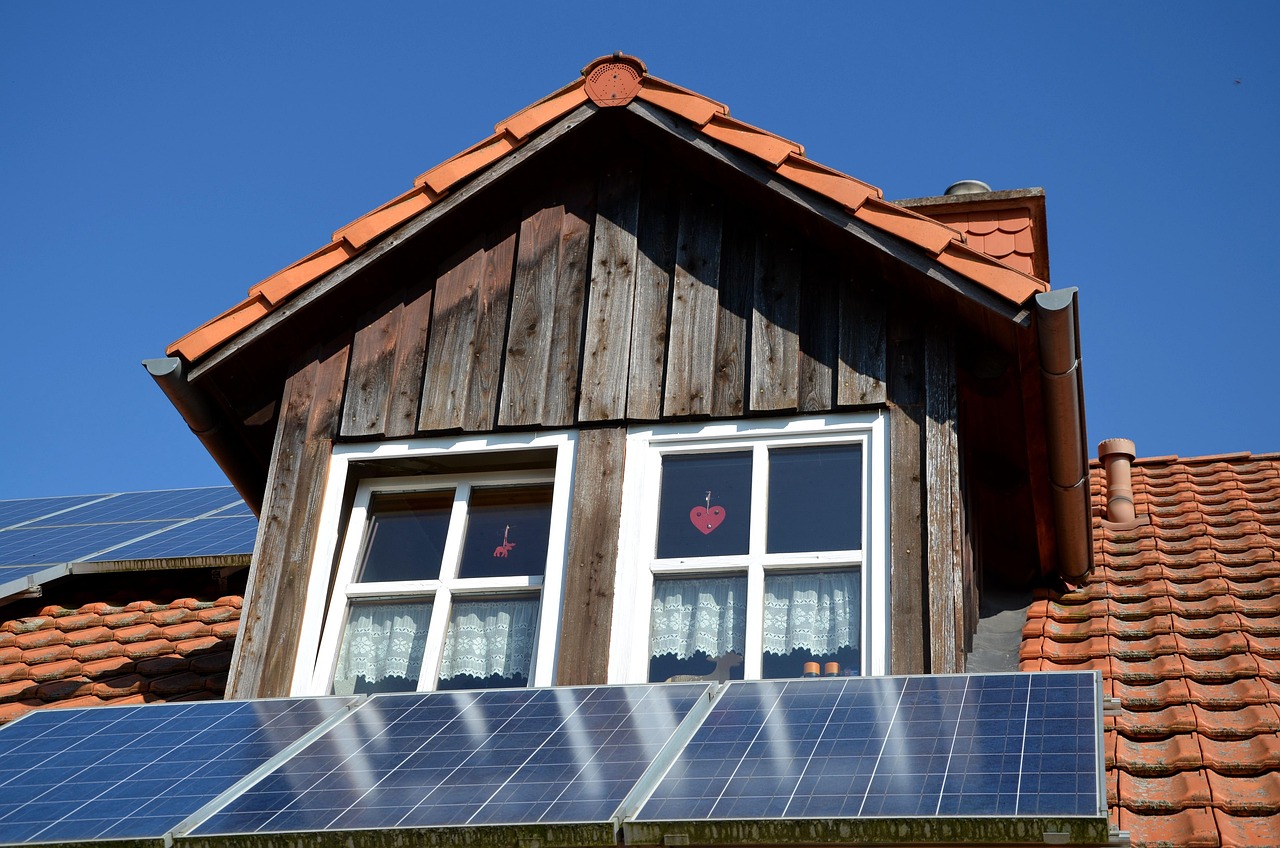
The U.S. Department of Energy describes building-integrated photovoltaics, or BIPV, as a way to make solar blend with a building’s surroundings. That is the central value proposition of solar roof tiles. They are not a universal upgrade; they are a combined roof-and-energy decision that should be judged by roof condition, electrical output, code compliance, installer capability, warranty terms and local electricity economics.
For more background on related products and trends, see our Solar Products section.
How solar roof tiles differ from conventional solar panels
Both solar roof tiles and conventional panels use photovoltaic cells to convert sunlight into direct current electricity. That electricity is then routed through electrical components such as inverters before it can serve home loads or interact with the grid. The practical difference is how the solar equipment becomes part of the roof.
Conventional rooftop solar panels sit above the roof covering on rails, mounts and flashing. The roof remains the primary weather barrier, and the solar array is installed on top. Solar roof tiles become part of the finished roof surface. Some products are designed to integrate with asphalt shingles; others use glass, metal or composite tile systems that include active solar sections and non-solar sections for edges, hips, valleys and shaded areas.
| Comparison point | Solar roof tiles | Conventional rooftop panels |
|---|---|---|
| Primary role | Roof covering plus electricity generation | Electricity generation mounted over a separate roof |
| Best project timing | New construction or roof replacement | Any suitable roof with enough remaining service life |
| Appearance | Lower-profile and more integrated | Visible modules and racking |
| Roofing coordination | High, because the solar product is part of the roof assembly | Moderate, because penetrations and flashing must protect the roof |
| Design flexibility | Constrained by tile dimensions, roof geometry and product system | Usually more flexible module selection and layout |
| Maintenance question | Roofing and electrical responsibilities overlap | Solar array and roof can often be serviced more separately |
This distinction matters because many homeowners first look at solar roof tiles as a cleaner-looking alternative to panels. The decision is broader than appearance. The system must perform as a roofing product, an electrical product and a long-lived exterior building component.
The roof-first cost logic
Solar roof tiles are usually easiest to justify when the roof is already due for major work. If a homeowner must replace the roof within the next few years, comparing only the solar portion against panel pricing can be misleading. The more useful comparison is between two complete paths: a new roof plus conventional panels, or an integrated solar roof system that replaces some of the roof covering.
NREL’s March 2023 report on residential roofing-integrated PV noted that roofing-integrated products have the potential to reduce some customer acquisition, labor, supply chain and equipment costs, but those potential savings had not yet been fully realized in the market. The same report found that residential BIPV had much lower market uptake than conventional rooftop PV, and that higher initial installed prices remained a barrier. That does not mean solar roof tiles are a poor choice; it means the economics depend heavily on timing, roof complexity, product availability and who performs the work.
Homeowners should ask for estimates that separate the roof scope, solar electrical scope, structural or deck repairs, battery options, interconnection costs, permits and warranty responsibilities. A proposal that bundles everything into one headline price can make it difficult to compare against a standard roof replacement plus a solar panel system.
Incentives also changed in the United States. As of November 2026, U.S. Code Section 25D states that the federal Residential Clean Energy Credit does not apply to expenditures made after December 31, 2025. State, utility or local programs may still exist, but they vary by location and can change. Homeowners should verify current incentive rules with a tax professional, local energy office or the incentive program administrator before treating any credit or rebate as part of the payback calculation.
Performance, roof design and code checks
Output from solar roof tiles depends on the same basic solar factors that affect panels: sun exposure, roof orientation, roof pitch, shade, local weather, equipment design and utility policy for exported electricity. A large south-facing roof plane with little shade is usually more promising than a roof broken up by dormers, trees, chimneys and multiple small planes. However, a complex roof can also be one reason a homeowner considers tiles, because some integrated systems can spread lower-profile solar sections across areas where bulky panel layouts would look awkward.
The performance question should be framed in practical terms: how many kilowatt-hours the system is expected to produce each year, how that output matches the home’s electricity use, and how the estimate was modeled. A lower-profile roof may be visually attractive, but it still needs enough productive area to justify the investment.
Code and listing details are equally important. UL 7103 covers building-integrated photovoltaic roof coverings for steep-slope roof assemblies and addresses topics such as installation under the National Electrical Code, fire characteristics, water infiltration, impact resistance and securement. Local building departments may also apply requirements from the International Residential Code, International Building Code, International Fire Code and NFPA 70, depending on jurisdiction and project type.
A homeowner does not need to become a code expert, but the contractor should be able to explain which product listings apply, how the roof assembly is rated, how wiring will be routed, and how firefighters or inspectors can identify the PV roof area. If the home is in a high-wind, wildfire, coastal or hail-prone area, the proposal should address those conditions specifically rather than relying on general marketing language. See also: Buying Guides.
Product availability and installer coordination in 2026
The solar roof tile category is still narrower than the conventional panel market. Manufacturer literature from companies such as GAF Energy and CertainTeed shows two common U.S. approaches: solar shingles designed to integrate with familiar asphalt roofing systems, and low-profile photovoltaic shingles intended to sit within the roof plane. These examples show that the category is moving toward roofing-contractor-friendly installation, but availability can still depend on state, utility territory, roof type and certified installer networks.
This is why installer coordination is often more important than brand recognition. A solar roof tile project touches roofing, electrical design, structural details, utility interconnection and sometimes battery storage. NREL’s installation observations emphasized the value of better coordination between PV installers, roofers and new-construction teams. The National Roofing Contractors Association has also highlighted the need for roofing materials and systems with service lives that match or exceed the PV installation, along with qualified roofing contractors and licensed electricians.
For a homeowner, the practical questions are straightforward:
- Who is responsible for roof workmanship if a leak appears?
- Who services the electrical system if one section underperforms?
- What happens if a tile is damaged and the same product is discontinued?
- How are active solar tiles and matching non-solar tiles replaced?
- Does the warranty cover roofing, power output and installation labor separately?
Solar roof tiles can reduce the visual separation between roof and solar array, but they do not remove the need for clear accountability. In fact, because the roof and PV system are integrated, written responsibility is more important.
A homeowner decision checklist
Before choosing solar roof tiles, compare the integrated option against both conventional panels and a standard roof replacement. The best choice is the one that fits the physical roof, the household’s energy use, the local utility rules and the owner’s tolerance for upfront cost and product complexity.
- Confirm roof timing. If the roof is near the end of its life, solar roof tiles may deserve serious consideration. If the roof is new, panels may avoid unnecessary reroofing.
- Model expected annual output. Ask for production estimates in kilowatt-hours, not just system size in kilowatts.
- Compare complete project costs. Evaluate integrated solar roofing against a new conventional roof plus rooftop panels.
- Review product listings and local code requirements. Confirm applicable fire, electrical, structural and roof-covering requirements.
- Ask about replacement parts. Integrated roofing systems need a plan for future tile replacement, roof repairs and product continuity.
- Check installer qualifications. The project should involve roofing expertise and licensed electrical work, not one skill set pretending to cover the other.
- Verify incentives using current rules. Do not rely on outdated federal tax credit language or old sales presentations.
For many homeowners, the deciding factor is not a single payback number. It is whether the project solves two problems at once: replacing or building a roof and adding solar generation without the look of raised panels. When those needs align, solar roof tiles can be a practical option. When the goal is maximum production at the lowest installed cost, conventional panels often remain the benchmark to beat.
Frequently asked questions
Are solar roof tiles the same as solar shingles?
In common U.S. usage, the terms often overlap. Solar shingles usually refer to low-profile photovoltaic roofing products that integrate with shingle-style roofs. Solar roof tiles can be a broader phrase that includes tile-like or shingle-like BIPV products. In both cases, the product is intended to serve as part of the roof surface while generating electricity.
Do solar roof tiles replace the whole roof?
Not always. Some systems use active solar sections only on productive roof planes and matching non-solar roofing materials elsewhere. The exact design depends on the manufacturer, roof shape, electrical target size and installer plan.
Are solar roof tiles cheaper than solar panels?
They should not be assumed cheaper. When judged only as a solar generator, conventional panels often have stronger price competition and more mature installation channels. Solar roof tiles may become more compelling when a roof replacement or new construction project is already part of the budget.
Can solar roof tiles work with a battery?
Many PV systems can be designed with battery storage, but compatibility depends on the inverter, battery system, electrical design and local code requirements. Homeowners should ask for a complete system design rather than assuming any tile product can pair with any battery.
What is the biggest risk to check before buying?
The biggest risk is unclear responsibility between roofing and electrical work. Because solar roof tiles are both roof covering and power equipment, the contract should clearly state who handles leaks, electrical faults, monitoring problems, damaged tiles, warranty claims and future repairs.