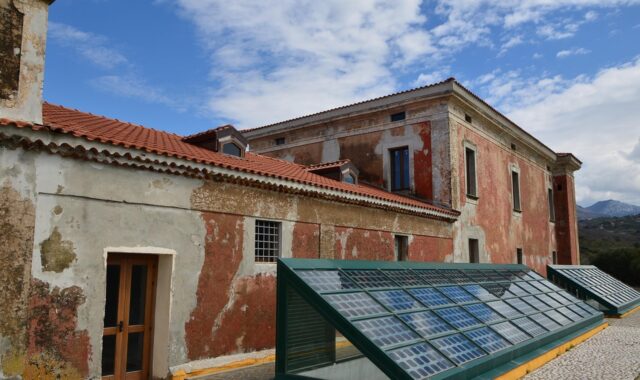
Solar swimming pool heater sizing, costs and buying factors for homeowners

a[data-rs-seo-link]{text-decoration:underline!important;color:#1a56db!important;cursor:pointer!important;}a[data-rs-seo-link]{text-decoration:underline!important;color:#1a56db!important;cursor:pointer!important;}
What a solar swimming pool heater can and cannot do
A solar swimming pool heater warms pool water by circulating it through solar thermal collectors, typically installed on a roof, rack, or nearby support structure. For many outdoor residential pools, it can extend the comfortable swimming season while keeping annual operating costs low. It should not be treated as an instant heater. Output depends on collector area, solar exposure, weather, wind, the target water temperature, and whether the pool is covered when it is not in use.
In practical buying terms, solar pool heating is most attractive when the pool already receives regular sun, the owner wants steady seasonal warming rather than a quick one-day temperature jump, and there is enough unshaded space for collectors. It may be a poor fit for a heavily shaded pool, a pool used mainly for occasional weekend heating, or a pool expected to stay warm through cold, cloudy months without backup heat.

The best results usually come from a complete design: collector area matched to pool surface area, reasonable heat-loss control, certified equipment, and an installation that meets local code requirements.
How solar pool heating works
A dedicated solar pool heating system is a solar thermal system, not a solar electric system. It does not generate electricity like photovoltaic panels. Instead, pool water is drawn from the pool, sent through the existing filtration loop, routed through solar collectors when useful heat is available, and returned to the pool at a higher temperature.
A typical residential system includes:
- Solar collectors: Outdoor pools in mild and warm climates commonly use unglazed polymer panels. Glazed collectors may be used where higher temperatures, colder conditions, or year-round performance are needed, but they generally cost more.
- A circulation path: The pool pump moves water through the filter and then through the collector loop. Some installations can use the existing pump; others require plumbing changes, pump-speed adjustments, or other hydraulic modifications.
- A diverter valve and controls: An automatic controller compares roof or collector temperature with pool temperature and sends water through the collectors only when heat gain is likely.
- Check valves and drain-down protection: These components help prevent reverse flow, nighttime cooling, and freeze damage where those risks apply.
The U.S. Department of Energy has long described solar pool heaters as cost competitive with gas and heat pump pool heaters and has noted their low annual operating costs. That cost profile comes from using free solar heat, but the system still relies on pump operation, correct plumbing, and enough collector area.
For more renewable energy product coverage, see the Solar Products section.
Why sizing starts with pool surface area
Homeowners often start by thinking about pool gallons. For solar pool heater sizing, pool surface area is usually the more important starting point. The reason is heat loss: much of a pool’s heat escapes at the water surface through evaporation, radiation, and convection. A deeper pool holds more water, but the exposed surface is where the pool gains and loses heat most actively.
Common solar pool sizing guidance uses collector area equal to roughly 50% to 100% of the pool surface area, then adjusts for climate, swim-season target, desired water temperature, wind, shading, roof direction, and cover use. A modest spring and fall extension in a sunny climate may work with a lower ratio. A colder location, screened enclosure, windy site, or year-round comfort goal may require more collector area, better heat retention, or a backup heater.
The Florida Solar Energy Center has published sizing methods based on a collector-to-pool surface ratio. Its guidance also shows why covers matter: under comparable conditions, covered pools need far less collector area than uncovered pools. Florida data should not be applied directly to every region, but the principle is useful. The more heat a pool loses at night and during windy or cool weather, the larger the collector field must be to maintain comfort.
A practical sizing sequence
- Measure pool surface area. For a rectangular pool, multiply length by width. For a freeform pool, estimate the average length and width or use plans if available.
- Define the real goal. Extending spring and fall swimming by several weeks is different from trying to maintain spa-like temperatures.
- Check available sunny space. Measure roof or rack area that is not shaded during the strongest solar hours.
- Account for heat retention. A cover, windbreak, and reasonable set temperature can reduce the collector area needed.
- Ask for a site-specific design. A credible proposal should explain collector area, orientation, flow requirements, controls, and freeze strategy.
Be cautious with any proposal that promises a specific temperature gain without asking about cover use, shading, wind, desired months of use, and local climate. Those factors are not minor details; they are central to the load calculation.
Costs and savings depend on what you are replacing
The financial case for a solar swimming pool heater depends heavily on the current heating setup. If a pool is already heated often with propane, natural gas, or electric resistance equipment, solar thermal heating can offset a meaningful amount of purchased energy. If the pool is currently unheated and the solar system is added mainly for comfort, the return is better understood as added swimming value rather than direct utility-bill savings.
Installed costs vary widely because the collector equipment is only part of the project. Roof access, collector layout, plumbing distance, controller type, roof penetrations, structural conditions, permitting, and labor all affect the final price. Older national resources from DOE and NREL have placed residential solar pool systems in a broad multi-thousand-dollar range, but current local quotes can differ enough that homeowners should compare at least two detailed proposals rather than rely on a generic average.
Operating costs are usually low because sunlight supplies the heat. Even so, the system may require longer pump runtime or a different pump speed. If a booster pump is needed, electricity use will be higher. A good proposal should therefore discuss hydraulic resistance and pump settings, not only collector square footage.
When solar usually makes more sense
- The pool receives strong sun for much of the day.
- There is enough roof or ground space for a collector array.
- The owner wants seasonal temperature support rather than rapid heat on demand.
- The pool is used frequently enough for the comfort gain to matter.
- A pool cover can be used during cool nights or longer idle periods.
When another option may fit better
- Gas or propane may be better for fast, occasional heating before a weekend swim.
- A heat pump may be attractive where electricity is relatively affordable and ambient air is warm enough for efficient operation.
- A solar cover alone may be the first step if the budget is limited and the pool loses heat mainly overnight.
- A hybrid system can make sense when solar handles the base load and a conventional heater provides backup.
Solar pool heater vs heat pump, gas heater and pool cover
No pool heating option is best for every property. The right choice depends on energy prices, climate, swim schedule, available space, noise tolerance, emissions priorities, and desired heat-up speed.
| Option | Best fit | Main limitation | Operating cost pattern |
|---|---|---|---|
| Solar pool heater | Regular seasonal swimming in sunny locations | Needs collector area and depends on weather | Low, mainly pump-related |
| Heat pump pool heater | Steady heating where outdoor air is mild | Slower than gas and less effective in cold air | Electricity use varies by climate and set point |
| Gas or propane heater | Fast heat-up and occasional use | Fuel cost and emissions can be high | High when used often |
| Pool cover | Reducing heat and water loss | Does not actively add heat like a heater | Very low after purchase |
The more important comparison is often not solar versus gas. It is solar plus heat retention versus any heater used without a cover. The Better Buildings Alliance has noted that pool covers can reduce evaporation and save 50% to 70% of pool heating costs in many applications. Because evaporation is a major heat-loss pathway, a cover can improve the economics of any heater, including solar.
Equipment quality, certification and code checks
Solar pool heating products can look simple, but the installed system must safely interact with the pool circulation system, roof structure, and local building requirements. The Solar Rating and Certification Corporation, now part of the ICC family of programs, lists OG-100 collector certifications and ICC 902/PHTA 902/SRCC 400 listings for solar pool and spa heating systems. The system-level standard was developed to address safety and durability requirements for solar pool and spa heaters. See also: Buying Guides.
When comparing proposals, ask whether the exact collector model and system configuration are certified or listed. A general statement that a brand is certified is not enough if the model, mounting method, or system design differs from the certificate. Also check whether local codes, homeowners association rules, or roof warranties impose additional requirements.
Important buying questions include:
- Is the collector material compatible with chlorinated or saltwater pool environments?
- How will the system drain or protect itself during freezing conditions?
- Will roof attachments preserve waterproofing and meet wind-load requirements?
- Does the roof have enough remaining life to justify installing collectors now?
- Will the controller prevent circulation through cold collectors at night?
- How will the installer verify adequate flow through the collectors?
Homeowners considering a backup gas or electric pool heater should also be aware that DOE adopted amended energy conservation standards for covered consumer pool heaters in a final rule effective July 31, 2023, with compliance required on and after May 30, 2028. That federal rule is separate from solar thermal collector certification, but it matters when comparing hybrid systems or future replacement equipment.
Installation and maintenance factors that affect performance
Solar pool heaters are often described as low maintenance. That does not mean no maintenance. Long-term performance depends on water chemistry, flow rate, valve function, controller settings, and the physical condition of collectors and mounts.
Collectors should be placed where they receive long, unobstructed sun exposure. In the Northern Hemisphere, true south is generally the strongest orientation, but southwest or southeast roofs may still perform adequately depending on local conditions and seasonal goals. Flat installations, west-facing layouts, shading from trees, and long pipe runs can reduce output or require more collector area.
Routine maintenance should include checking for leaks, inspecting roof attachments after severe weather, cleaning or replacing filters to maintain flow, confirming valve operation, testing sensor accuracy, and winterizing the system where freezing is possible. In freeze-prone climates, poor drainage can damage collectors and piping. In hot climates, stagnant water and high temperatures can also stress components if controls are poorly configured.
Water chemistry matters as well. Poorly balanced pool water can shorten the life of plumbing components, seals, and some collector materials. A solar pool heater should be treated as part of the pool circulation system, not as a separate accessory that can be ignored after installation.
Source notes for readers
This article is based on publicly available guidance and technical references from the U.S. Department of Energy, DOE Better Buildings resources, the Florida Solar Energy Center, NREL solar thermal materials, and ICC-SRCC program information. Because installed costs, incentives, permitting rules, and utility rates vary by location, readers should verify local requirements and compare site-specific proposals before purchasing.
Frequently asked questions
How much warmer can a solar swimming pool heater make a pool?
The temperature gain depends on collector area, sunlight, weather, heat loss, flow rate, and cover use. A well-sized system can noticeably extend the swim season, but no responsible estimate should ignore local climate, shading, and whether the pool is covered at night.
Does a solar pool heater work in winter?
It can contribute heat in winter when sunlight and ambient conditions are favorable, but output is lower during short, cloudy, or cold days. In colder regions, a backup heater or a realistic seasonal shutdown plan is often needed.
Is a solar pool heater the same as solar panels?
No. A solar pool heater normally uses solar thermal collectors that heat water directly. Solar electric panels produce electricity, which could power a heat pump or other loads, but that is a different system design.
Can an above-ground pool use solar heating?
Yes. Many above-ground pools can use solar collectors or solar heating kits, but the same rules apply: collector area, sunlight, flow, mounting safety, and heat retention determine results.
Should I buy a pool cover before adding solar heat?
In many cases, yes. A cover reduces evaporation and overnight heat loss, which can lower the heating load and improve the performance of any heater. For budget-conscious projects, it is often the first efficiency measure to consider.