Replacing roof shingles with solar panels what homeowners should know

a[data-rs-seo-link]{text-decoration:underline!important;color:#1a56db!important;cursor:pointer!important;}a[data-rs-seo-link]{text-decoration:underline!important;color:#1a56db!important;cursor:pointer!important;}
Replacing roof shingles with solar panels rarely means removing asphalt shingles and letting standard solar panels serve as the waterproof roof surface. In a typical residential project, the shingles remain the weather barrier, and solar panels are mounted above them with flashed roof attachments. If the roof is close to the end of its service life, the cleaner sequence is often to replace the shingles first, then install the solar array. If the solar equipment itself is intended to replace roofing material, the project is in solar shingles or another building-integrated photovoltaic system category. The right choice depends on roof condition, sun exposure, local code requirements, warranties, incentives, and how much future roof work the homeowner wants to avoid.
What replacing roof shingles with solar panels really means
The phrase usually describes one of two projects. The first is the most common: a homeowner replaces old asphalt shingles, then installs conventional photovoltaic panels on top of the new roof. The shingles still shed water. The solar system sits above the roof on rails, mounts, clamps, and flashing designed to transfer wind and snow loads into the roof framing while keeping penetrations watertight.
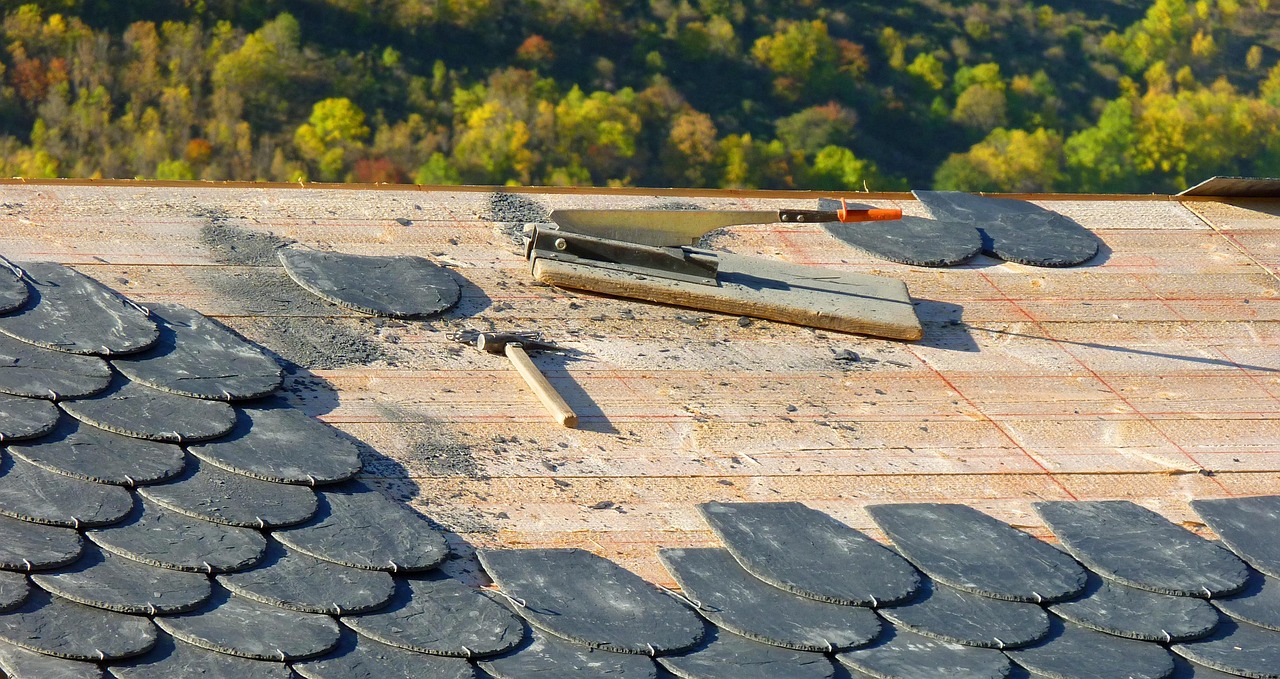
The second meaning is more literal. Solar shingles, solar roof tiles, and other building-integrated photovoltaics replace some roofing materials while also generating electricity. In that case, the solar product is part of the roof covering system, not just equipment mounted above it. Building America guidance describes both roof-mounted PV panels and PV shingles, noting that integrated roof modules may not need a separate mounting system in the same way conventional panels do.
For most homeowners, the decision is not simply solar or shingles. It is whether to combine a reroof with solar, postpone solar until the roof is ready, or choose an integrated solar roofing product as part of a roof replacement.
When you should replace shingles before installing solar
A solar array can remain on a roof for many years, so installing it over worn shingles can create an avoidable maintenance problem. Once panels are in place, replacing the roof below them usually requires a crew to remove the array, store or stage the equipment, complete the reroof, then reinstall and recheck the system. That added labor can make a delayed roof replacement more disruptive and more expensive than coordinating both jobs at once.
Consider replacing shingles first if you see curled tabs, missing shingles, repeated leaks, widespread granule loss, soft decking, failing flashing, storm damage, or evidence that the roof already has multiple shingle layers. Be cautious if attic ventilation is poor or if past roof repairs only patched visible symptoms instead of correcting the source of water entry.
The U.S. Department of Energy advises homeowners to consider roof age and roof condition before going solar, and its consumer guidance notes that it can save money to install solar at the same time as a roof replacement. That does not mean every roof needs to be replaced before solar. A relatively new, properly installed roof with sound decking and good remaining life may be a reasonable candidate for panels after inspection by a qualified solar installer, roofer, or structural professional.
A practical project sequence
For a shingle roof and solar project, sequencing matters because roofing, electrical, structural, and utility requirements overlap. A clear process reduces change orders and helps protect both the roof warranty and the solar workmanship documentation.
- Start with roof documentation. Gather the age of the roof, permit records if available, warranty paperwork, attic photos, and any past leak history.
- Inspect the roof and structure. A roofer should evaluate shingles, flashing, decking, penetrations, gutters, and ventilation. A solar professional or engineer may review rafters or trusses, especially in snow, wind, or seismic regions.
- Estimate energy needs before final roof layout. Twelve months of electric bills help size the system. Future changes such as an electric vehicle, heat pump, induction range, or battery backup should be discussed early.
- Design the roof work with solar in mind. If reroofing is part of the plan, ask whether vents, satellite hardware, skylights, or unnecessary obstructions can be removed or relocated to improve the solar layout.
- Coordinate permits and utility requirements. Local governments generally require permits for rooftop solar. The utility may also require an interconnection application before the system can operate.
- Complete the roof before panel installation. New underlayment, flashing, drip edge, and roof penetrations should be finished before solar mounts are installed.
- Install, inspect, and commission the system. Final steps typically include electrical inspection, utility approval, inverter setup, monitoring access, and documentation for the homeowner.
For more homeowner-focused upkeep ideas, visit the site’s Maintenance Tips section.
Solar panels and solar shingles are not the same choice
Conventional panels and solar shingles can both generate electricity, but they solve different problems. Panels are usually chosen for output, installer availability, and design flexibility. Solar shingles are usually considered when appearance and roof integration are high priorities, especially during a full roof replacement.
| Factor | Conventional solar panels over shingles | Solar shingles or integrated solar roofing |
|---|---|---|
| Roof function | Shingles remain the primary water-shedding roof covering. | The solar product replaces part of the roof covering. |
| Best timing | Works on a sound existing roof or after a reroof. | Most practical during a roof replacement or new construction. |
| Appearance | Visible panels, rails, and roof-mounted equipment. | Lower-profile look that blends more closely with roofing. |
| Installer market | Broad installer availability in many U.S. markets. | Availability depends more heavily on product, region, and certified crews. |
| Maintenance | Individual panels and roof areas may be easier to identify and service. | Roofing and electrical service can be more integrated and product-specific. |
| Design risk | Requires careful flashing at attachments and roof penetrations. | Requires close attention to roofing compatibility, layout, and product warranty terms. |
There is no universal winner. If the priority is maximum production from limited roof area, conventional panels often deserve the first look. If the priority is a unified roof appearance and the roof is already being replaced, solar shingles may be worth quoting. Compare annual energy production, roof warranty terms, workmanship coverage, repair process, and installer experience instead of judging by appearance alone.
Codes, permits, and roof layout details to confirm
Solar design is not only about fitting as many modules as possible on the sunniest roof plane. The layout must account for roof structure, drainage, fire access, emergency escape openings, electrical routing, and local amendments. Model residential code provisions for rooftop PV include roof access pathways and references to electrical standards, and local authorities can modify or interpret requirements differently.
Ask the installer to show the roof plan before signing the final contract. The plan should identify panel or shingle locations, setbacks, access pathways, vents, plumbing stacks, skylights, chimneys, conduit runs, inverter or rapid-shutdown equipment, and the point where wiring enters the building. If reroofing is part of the work, the roofing contractor and solar contractor should agree on attachment locations and flashing methods before materials are ordered.
Do not overlook the attic. Water stains, undersized rafters, cracked framing, excessive heat, or blocked ventilation can all affect whether the roof is ready for solar. A roof can look acceptable from the street and still need corrections before it carries a long-term solar installation. See also: Buying Guides.
Costs, incentives, and warranty questions in 2026
Costs vary widely by roof size, roof pitch, number of stories, electrical upgrades, battery storage, local labor rates, utility requirements, and product choice. For that reason, the most useful comparison is usually not a single national average. Ask for itemized quotes that separate roofing work, solar equipment, electrical upgrades, battery work, permit fees, removal of old roof layers, decking replacement allowances, and monitoring or service plans.
As of October 20, 2026, IRS guidance states that the federal Residential Clean Energy Credit applied to qualified property installed from 2022 through December 31, 2025, and is not available for property placed in service after December 31, 2025. The IRS also distinguishes between traditional roof components, such as shingles or trusses that support panels, and solar roofing products that generate electricity. Because tax rules can turn on dates, ownership, business use, and product classification, homeowners should confirm the current treatment with a tax professional before assuming any roof or solar cost qualifies.
Warranty coordination is just as important as incentives. Ask these questions in writing:
- Who is responsible if a solar attachment leaks?
- Will the roofing manufacturer allow the proposed mounting system without reducing roof coverage?
- Does the solar workmanship warranty cover removal and reinstallation if a roof defect appears?
- Who handles service if the roofer and solar installer are different companies?
- Are solar shingles covered by separate product, weatherization, and power-output terms?
- What documentation will you receive after inspection and utility approval?
Maintenance tips after the installation
A finished solar roof should not be ignored. Most systems need little hands-on attention from the homeowner, but routine observation helps catch small roof or electrical issues before they become expensive.
- Monitor production. Check the monitoring app regularly. A sudden drop may indicate inverter trouble, shading, a tripped breaker, or damaged equipment.
- Look after storms. From the ground, check for shifted panels, loose trim, damaged shingles, lifted flashing, broken branches, or new debris.
- Keep gutters clear. Overflowing gutters can push water into fascia, soffits, or roof edges even when the solar array is performing normally.
- Check the attic. After heavy rain, look for stains around penetrations, vents, and roof planes below the array.
- Trim shade carefully. Tree growth can reduce production and increase debris on the roof, but trimming should be done without dropping limbs onto panels.
- Avoid walking on equipment. Leave panel, wiring, and solar shingle service to qualified professionals.
- Save all records. Keep permits, inspection approvals, utility permission-to-operate notices, warranties, roof photos, and product manuals in one folder.
The maintenance goal is straightforward: protect the roof first, then protect energy production. A watertight roof with moderate solar output is more valuable than an aggressive panel layout that complicates drainage, access, or future repairs.
Frequently asked questions
Can solar panels replace shingles?
Standard framed solar panels do not replace shingles. They are mounted above a finished roof, and the shingles remain the weather barrier. Solar shingles or other integrated photovoltaic products can replace roofing material, but they are a different product category with different design, warranty, and installation requirements.
Should I replace my roof before installing solar?
If the roof is old, leaking, poorly flashed, storm damaged, or close to replacement, reroofing first is usually the cleaner plan. If the roof is relatively new and passes inspection, installing panels without reroofing may be reasonable.
Can I install solar now and reroof later?
You can, but it may mean paying later to remove and reinstall the solar array. That extra work can also create scheduling delays and warranty questions, so it should be considered before choosing the cheapest short-term path.
Are solar shingles better than panels?
Not automatically. Solar shingles can look cleaner and make sense during a roof replacement, but conventional panels often offer more design flexibility and a larger installer market. The better option depends on roof geometry, available products, expected production, warranty terms, and total installed cost.
What is the biggest mistake to avoid?
The biggest mistake is treating roofing and solar as separate decisions. Roof condition, attachment method, electrical design, code layout, warranty coverage, and the future maintenance plan should be reviewed together before work begins.