Renewable energy generation maintenance tips for stronger long-term output
a[data-rs-seo-link]{text-decoration:underline!important;color:#1a56db!important;cursor:pointer!important;}a[data-rs-seo-link]{text-decoration:underline!important;color:#1a56db!important;cursor:pointer!important;}
Why maintenance now matters for renewable energy generation
Renewable energy generation is expanding quickly, but the value of a solar array, wind turbine, hydropower unit or battery system depends on how reliably it produces usable electricity over time. As the installed base grows, owners need maintenance plans that protect energy output, not just equipment appearance. The U.S. Energy Information Administration reported that wind and solar reached a record share of U.S. electricity generation in 2025, while IRENA reported 692 GW of global renewable capacity additions in 2025. That growth makes routine inspection, monitoring and weather readiness more important for homes, farms, commercial buildings and utility-scale sites. For more practical upkeep guidance, visit our Maintenance Tips section.
The key point is straightforward: renewable assets are low-fuel systems, not no-maintenance systems. Sunlight, wind and water may be free, but sensors, inverters, blades, bearings, breakers, seals, cabling, battery management systems and communication equipment still age. Good maintenance reduces avoidable downtime, catches small faults before they become expensive failures and helps operators identify whether lower production is caused by weather, soiling, shading, mechanical wear, software settings or grid constraints.

Build a maintenance plan around output, not just equipment
A useful maintenance plan starts with expected production. For solar, that may mean comparing actual kilowatt-hours with irradiance-adjusted expectations. For wind, it means checking turbine output against wind speed, direction and availability. For hydropower, it means tracking flow, head, turbine efficiency and seasonal water conditions. For battery storage, it means monitoring charge and discharge behavior, temperature, state of health and alarms.
This output-first approach matters because a system can look physically intact while underperforming. A partially failed inverter string, a dirty irradiance sensor, an unnoticed shading change or a communication outage can reduce revenue and resilience without obvious visual clues. The National Renewable Energy Laboratory, Sandia National Laboratories and SunSpec Alliance have emphasized in photovoltaic O&M guidance that standardized maintenance practices can make performance and cost more predictable over a project’s life.
Set a baseline before troubleshooting
Every renewable energy site should have a baseline record that includes commissioning data, equipment manuals, warranty documents, electrical drawings, monitoring platform access, normal production curves and emergency shutdown procedures. Without that reference point, operators may mistake normal seasonal variation for a fault, or treat an early warning sign as routine variability.
- Record expected monthly generation using local resource data and system design assumptions.
- Document inverter, turbine, battery and meter serial numbers.
- Store photos of original wiring, labeling, racking, drainage and equipment rooms.
- Keep a log of outages, alarms, inspections, repairs and firmware updates.
- Review performance after storms, heat waves, cold snaps and nearby construction.
Use the right mix of maintenance types
Preventive maintenance follows a schedule, such as torque checks, vegetation control or filter cleaning. Corrective maintenance responds to a known fault, such as a failed inverter fan or tripped protection device. Condition-based maintenance uses operating data to act when indicators cross a threshold. Most renewable sites need all three. The right balance depends on system size, safety risk, warranty terms, access difficulty and the financial impact of downtime.
Solar PV checks that protect generation
Solar photovoltaic systems are often the most visible form of distributed renewable energy generation, but their maintenance needs are easy to underestimate. Modules have no moving parts, yet the full system includes electrical connectors, mounting hardware, inverters, optimizers, combiner boxes, disconnects, monitoring gateways and grounding components.
Modules, racking and site conditions
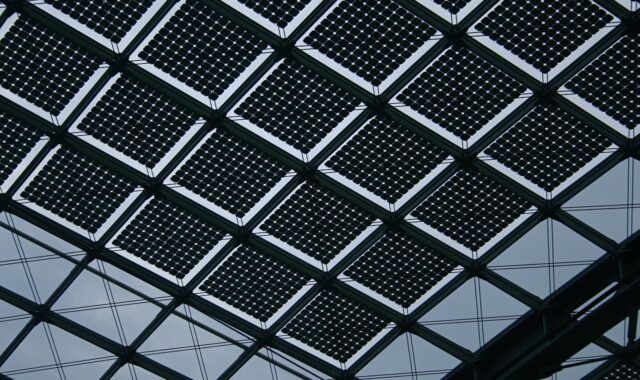
Solar panels should be checked for broken glass, hot spots, delamination, burned connectors, loose clamps, corrosion, animal damage and debris buildup. Cleaning should be based on actual soiling and local rainfall patterns rather than a fixed assumption. In dusty regions, near agricultural activity or under bird nesting areas, soiling losses can become material. In rainy regions, unnecessary cleaning can waste water, increase roof traffic and create avoidable safety risks.
- Inspect for new shading from trees, nearby buildings, antennas or rooftop equipment.
- Trim vegetation before it reaches modules, wiring or airflow paths.
- Check roof penetrations, flashing and drainage after severe weather.
- Confirm that module clamps, ballast blocks and ground mounts remain secure.
- Look for nests, chewed cable jackets and signs of moisture intrusion.
Inverters and electrical balance of system
Inverters are often the most maintenance-sensitive part of a solar installation. They convert DC electricity into AC power and rely on electronics, cooling, firmware and protection devices. Heat, dust, blocked airflow and poor communication can shorten component life or hide production losses. Owners should keep inverter areas clear, check alarm histories and confirm that monitoring portals are reporting correctly.
Electrical work should be handled by qualified personnel because PV circuits can remain energized in daylight even when AC disconnects are open. Practical checks include verifying labels, reviewing fault codes, checking enclosure seals, inspecting conduit and confirming that disconnects are accessible. For commercial and larger distributed systems, infrared inspections and string-level performance reviews can help identify resistance, loose connections or underperforming circuits before they cause broader failure.
Wind, hydropower, storage and hybrid assets need different routines
Renewable energy generation is not a single technology. Solar, wind, hydro and storage have different failure modes, and a maintenance plan should reflect those differences. A checklist copied from one asset type to another can miss the risks that matter most.
Wind systems
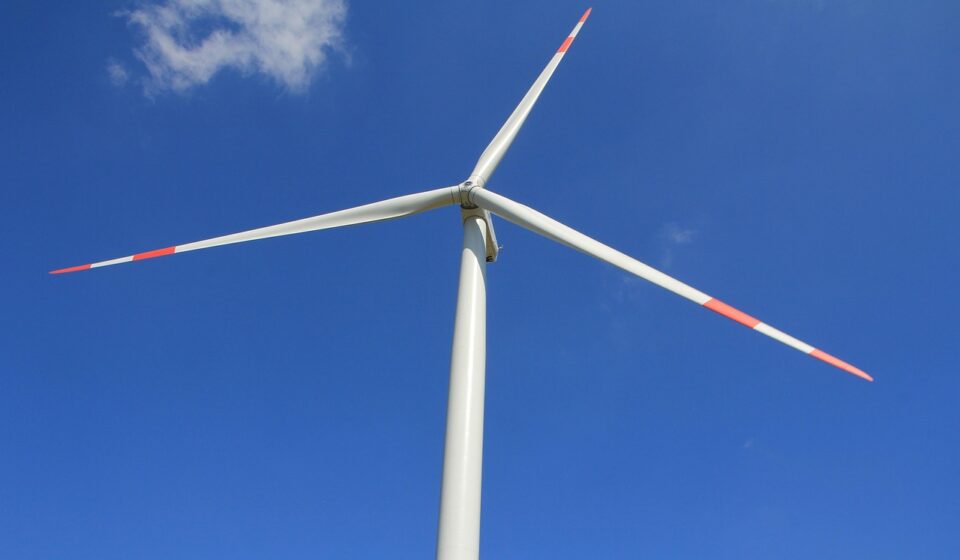
Wind turbines combine electrical production with rotating mechanical equipment. Maintenance typically focuses on blades, gearboxes or direct-drive components, bearings, yaw and pitch systems, brakes, lightning protection, lubrication, vibration monitoring and tower integrity. Small wind systems also require attention to guy wires, foundations, turbine balance and safe access. Changes in sound, vibration or startup behavior should be treated as early warning signs, not dismissed as normal operation.
Hydropower systems
Hydropower can provide flexible renewable electricity, but water conditions create their own maintenance risks. Screens, intakes, gates, trash racks, turbines, seals and control systems need routine attention. Sediment, debris, fish passage requirements, low-flow seasons and dam safety obligations can all affect output. The U.S. Department of Energy has noted that modernizing existing hydropower facilities can support efficiency, resilience and dam safety, which reinforces why maintenance should cover civil works as well as electromechanical equipment. See also: Buying Guides.
Battery energy storage
Battery systems are increasingly paired with solar and wind to shift production, support backup power and reduce peak demand. Storage maintenance should focus on thermal management, ventilation, enclosure integrity, battery management system alarms, state-of-health trends, fire safety equipment, software updates and operating limits. Operators should avoid overriding alarms or changing charge settings without technical review because battery warranties and safety performance often depend on temperature, depth of discharge and cycling patterns.
What current data suggests for maintenance priorities
Recent public energy data points to a practical conclusion: as renewables become a larger share of the power mix, maintenance quality becomes a grid and asset-value issue, not just a housekeeping task. The table below summarizes how major sources help frame maintenance decisions.
| Source | Recent information | Maintenance implication |
|---|---|---|
| U.S. Energy Information Administration | Wind and solar supplied a record share of U.S. electricity in 2025. | More homes and businesses depend on variable renewable assets, so monitoring and outage response need to be organized. |
| International Renewable Energy Agency | Global renewable power capacity reached 5,149 GW after 692 GW of additions in 2025. | Rapid deployment increases the need for standardized inspection routines and trained service capacity. |
| International Energy Agency | Renewables accounted for roughly one-third of global electricity generation in 2025. | Performance losses at scale can affect energy planning, not only individual project returns. |
| NREL, Sandia and SunSpec O&M guidance | PV and storage O&M guidance emphasizes predictable cost, safety and performance improvement. | Maintenance should be documented, measurable and tied to production rather than treated as an occasional visual check. |
A practical maintenance schedule for renewable energy assets
Actual maintenance intervals should follow manufacturer instructions, warranty requirements, local codes and site conditions. Still, most owners can use a layered schedule as a starting point. The goal is not to over-service equipment; it is to inspect the right items often enough to prevent avoidable losses.
| Interval | Recommended focus | Why it matters |
|---|---|---|
| Weekly or monthly | Review monitoring dashboards, alarms, production trends and communication status. | Many losses begin as data gaps, inverter faults or underperformance that can be seen remotely. |
| Quarterly | Check vegetation, drainage, visible damage, access paths, security and enclosure condition. | Site conditions can change faster than equipment manuals assume. |
| Semiannual | Inspect electrical enclosures, cooling paths, filters, mounting hardware and safety labels. | Heat, dust, moisture and loose hardware can reduce reliability. |
| Annual | Conduct a detailed performance review, verify protection settings where appropriate and update records. | Annual analysis separates weather-driven variation from true asset degradation. |
| After severe weather | Inspect for flooding, hail damage, wind damage, lightning effects, debris and communication failures. | Storm-related issues can create hidden safety and production risks. |
Common mistakes that reduce renewable output
Some maintenance mistakes come from neglect, while others come from good intentions applied without enough system knowledge. Washing modules at the wrong time, walking on fragile roof areas, resetting alarms without diagnosis or using nonapproved replacement parts can create new problems.
- Ignoring monitoring alerts: A small alarm can indicate a string outage, cooling problem or communication failure.
- Cleaning without evidence: Cleaning should respond to soiling, safety conditions and water quality, not guesswork.
- Skipping documentation: Undocumented repairs make warranty claims, future troubleshooting and asset valuation harder.
- Letting vegetation grow: Shading, blocked airflow and restricted access can all reduce performance.
- Overlooking cybersecurity: Connected inverters, gateways and battery systems should use controlled access and updated credentials.
- Treating batteries like passive equipment: Storage systems need temperature, software and safety checks.
For homeowners and small businesses, the safest maintenance habit is to combine regular visual checks with professional service for electrical, mechanical and battery work. For larger sites, a stronger approach is a written O&M plan with defined responsibilities, response times, spare-parts strategy and production reporting.
Frequently asked questions
How often should renewable energy systems be inspected?
Monitoring should be reviewed at least monthly for most systems, while physical inspections are commonly scheduled quarterly, semiannually or annually depending on system size, environment and warranty terms. Sites exposed to dust, salt air, snow, wildlife or severe storms may need more frequent checks.
Does solar panel cleaning always improve generation?
No. Cleaning helps when dirt, pollen, ash, bird droppings or other soiling is actually reducing output. In some climates, rainfall handles much of the cleaning. The decision should compare production data, visible soiling, safety risk and cleaning cost.
What is the most important maintenance metric?
Energy production compared with expected production is usually the most useful high-level metric. Availability, performance ratio, alarm frequency, inverter uptime, battery state of health and weather-adjusted output can provide more detail.
Can owners do maintenance themselves?
Owners can usually review monitoring data, keep access areas clear, document visible changes and report alarms. Electrical testing, inverter repair, turbine work, battery service and hydropower mechanical work should be handled by qualified professionals because of shock, arc-flash, fall, rotating-equipment and fire risks.
Why does maintenance matter if renewable systems have no fuel cost?
Fuel-free generation still depends on physical and electronic equipment. Maintenance protects the equipment that converts natural resources into electricity. Without it, renewable energy generation can lose output through faults, wear, overheating, soiling, control errors and preventable downtime.