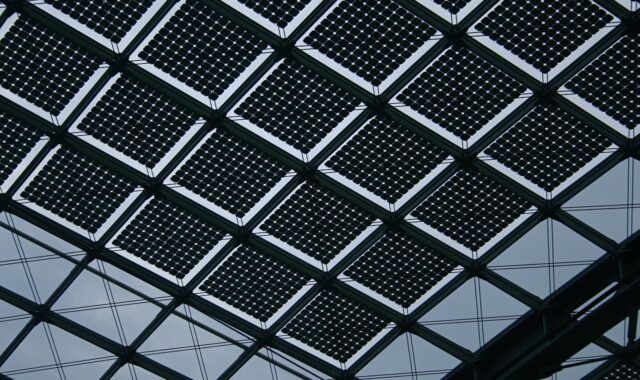
Maintenance for new energy products that keeps systems safe and efficient

a[data-rs-seo-link]{text-decoration:underline!important;color:#1a56db!important;cursor:pointer!important;}a[data-rs-seo-link]{text-decoration:underline!important;color:#1a56db!important;cursor:pointer!important;}
Why maintenance matters for modern energy equipment
Maintenance for new energy products works best as a layered routine. Owners can track performance, cleanliness, airflow, software alerts, and obvious damage. Qualified contractors should handle electrical testing, refrigerant work, battery diagnostics, code inspections, and repairs. The aim is not to over-service modern equipment, but to protect safety, efficiency, warranty documentation, and useful life.
For most homes and small sites, the highest-value tasks are straightforward: monthly visual checks, clean filters, clear working clearances, annual professional service where the equipment manual calls for it, and a quick response to alarms or unexplained performance drops. This guide explains how to maintain solar PV systems, battery energy storage systems, EV chargers, heat pumps, and related controls without treating them as the same product. For more upkeep guidance, see our Maintenance Tips section.

New energy products are often quieter and more automated than older mechanical equipment, which can make them seem maintenance-free. In practice, many problems begin as small changes in data, airflow, temperature, moisture, wiring condition, or user behavior. A solar array may still generate power while one string underperforms. A home battery may appear normal while temperature, state-of-charge, or firmware issues are developing. An EV charger may continue charging while a plug, receptacle, or breaker is heating under load. A heat pump may keep a room comfortable while a dirty filter forces longer run times.
Good maintenance is therefore less about constant tinkering and more about disciplined observation. Published guidance from organizations such as the U.S. Department of Energy, NREL, ENERGY STAR, EPA, NFPA, UL, and IEEE points toward the same practical approach: follow the manufacturer manual, document normal operation, keep qualified work in qualified hands, and treat electrical or battery safety warnings as time-sensitive.
Start with records, baselines, and safe boundaries
The first maintenance task is administrative, but it affects every future repair. Create a system record for each product. Keep model numbers, serial numbers, commissioning documents, warranties, permits, inspection approvals, installer contact details, owner manuals, app login information, utility interconnection documents, and any single-line diagrams provided with the installation. If a contractor later needs to troubleshoot an inverter, battery, charger, or heat pump, these records reduce guesswork.
Build a baseline when the system is new
Modern energy products produce useful operating data. For solar PV, record expected monthly production, inverter status, and monitoring access. For batteries, record normal state-of-charge behavior, backup settings, alarm history, and emergency instructions. For EV chargers, record circuit rating, charger setting, plug or hardwired configuration, app settings, and the normal charging current used by the vehicle. For heat pumps, record filter type, outdoor unit location, thermostat settings, and the installer’s recommended service interval.
Do not expect every month to deliver the same energy output. Solar production changes with season, weather, shading, module age, and severe weather events. Heat pump energy use changes with outdoor temperature, thermostat behavior, and building insulation. The useful signal is usually not one low day; it is a repeated, unexplained change from a reasonable baseline.
Know which tasks are not owner maintenance
Owners can usually inspect equipment, clean accessible filters, clear leaves, confirm app alerts, maintain documentation, and call for service early. They should not open sealed battery cabinets, remove inverter covers, work inside electrical panels, bypass interlocks, change breaker sizes, add adapters to EV charging circuits, handle refrigerant, or reset repeated safety alarms without knowing the cause. Electrical equipment maintenance standards and product manuals exist because torque, insulation, thermal, grounding, and protection checks require training and test equipment.
Product by product maintenance priorities
Solar photovoltaic systems
Solar PV maintenance starts with monitoring. Check the production app or meter at least monthly, and compare output with the season, local weather, and past performance. DOE photovoltaic maintenance guidance notes that PV output can vary due to solar availability, weather patterns, module age, and severe events. NREL’s PV operations and maintenance guidance often uses module degradation of about 0.5 percent per year as a planning reference, so gradual aging is normal; a sudden or sharp drop is not.
Owner checks should focus on visible changes: cracked modules, broken glass, loose conduit, missing labels, vegetation shading, animal nesting, roof leaks near penetrations, and inverter error messages. After hail, high winds, wildfires, flooding, or roof work, inspect from the ground where possible and call a solar professional if anything looks damaged. Do not climb a roof or spray equipment unless the manufacturer instructions and site conditions make the task safe.
Cleaning needs depend on location. Rain is often enough for tilted residential arrays, but dust, pollen, soot, bird droppings, agricultural debris, or snow can justify cleaning. Use only approved methods. Pressure washing, abrasive brushes, and harsh chemicals can damage glass, seals, wiring, or coatings. Larger commercial systems often require a formal preventive maintenance plan that includes production analysis, infrared inspection, connection checks, vegetation control, and documentation.
Battery energy storage systems
Battery systems need a stricter safety mindset than ordinary appliances because they combine stored energy, power electronics, thermal controls, software, and emergency response considerations. Stationary energy storage standards such as NFPA 855 address installation and life-safety issues including fire protection, ventilation, gas detection, spacing, commissioning, operation, and maintenance. UL 9540 and UL 9540A are widely referenced in the industry for energy storage system safety and thermal runaway evaluation. These standards are not a homeowner checklist, but they explain why battery maintenance should not be improvised.
Owner maintenance is mainly environmental and observational. Keep manufacturer-required clearances open. Do not store flammable materials around a battery cabinet. Keep vents, fans, and drainage paths clear. Watch for alarms, unusual odor, visible swelling, liquid, corrosion, heat, smoke, repeated shutdowns, or unexplained backup failures. If the manual includes a storm preparation step, such as maintaining a particular state of charge before an outage, follow it before severe weather when possible.
Qualified service may include firmware review, battery management system diagnostics, thermal management checks, capacity assessment, communication checks, and code-required inspections. For commercial or multifamily installations, an electrical maintenance program may also be needed. The important distinction is simple: a sealed battery can still need inspection, monitoring, and documentation, even if the owner never opens it.
EV chargers and charging circuits
EV chargers are often used daily at high electrical load, so small defects matter. ENERGY STAR guidance notes that EV chargers may require periodic inspection, testing, and preventive maintenance, typically by a qualified electrical contractor. Owner checks should include the cable, connector, holster, enclosure, mounting hardware, display, app connection, and any signs of heat or discoloration at the plug, receptacle, or wall box.
Do not use a damaged connector, cracked cable jacket, loose wall outlet, extension cord, or unapproved adapter. If a breaker or ground-fault device trips repeatedly, stop treating it as a nuisance and call an electrician. Charging equipment that is warm to the touch can be normal under load, but hot plastic, buzzing, burning smell, melted surfaces, or intermittent charging are warning signs. For higher-amperage Level 2 charging, hardwired installations are common and may be required by product rating or local code; owners should not convert connection types without an electrician and the manufacturer’s instructions.
Networked chargers add another maintenance layer. Keep app access current, review charging history for abnormal interruptions, and apply firmware updates according to the manufacturer’s guidance. If the charger participates in a utility demand response program, document those settings so a later service call does not mistake a utility-controlled charging pause for a fault.
Heat pumps and heat pump water heaters
Heat pumps are energy products, but they are also HVAC or water-heating equipment. Their maintenance is closely tied to airflow, drainage, controls, refrigerant circuit condition, and electrical connections. ENERGY STAR maintenance guidance recommends inspecting, cleaning, or changing heating and cooling filters once a month, and heat pump product guidance also emphasizes cleaning filters when visibly dirty or when a filter light indicates service. See also: Buying Guides.
For air-source heat pumps, keep the outdoor unit free from leaves, snow buildup, weeds, and blocked airflow. Indoors, make sure vents are open, filters fit properly, and condensate drains are not causing water damage. A professional pre-season check should address thermostat settings, electrical connections, controls, coils, blower components, refrigerant level, and condensate drainage. EPA consumer guidance also points to at least annual professional service for heat pumps.
Heat pump water heaters have different details, so the manual matters. Many require clear surrounding air space, cleanable filters, condensate management, and periodic inspection of plumbing and safety components. If the unit is installed in a tight closet, dusty basement, garage, or laundry area, airflow and filter care become more important.
A practical maintenance schedule for owners and small sites
The right interval depends on equipment size, site exposure, manufacturer instructions, warranty terms, and local code. The table below is a practical starting point, not a substitute for the manual or the authority having jurisdiction.
| Interval | Owner or facility checks | When to involve a qualified professional |
|---|---|---|
| Monthly | Review solar production, battery status, EV charging history, heat pump filters, app alerts, visible damage, and airflow clearances. | If data shows repeated unexplained drops, alarms repeat, a breaker trips, or equipment feels unusually hot. |
| Seasonally | Trim vegetation, clear outdoor units, check roof drainage near solar mounts, confirm storm or outage settings, and update service contacts. | Before peak cooling or heating season for HVAC service; after site changes that affect wiring, shading, ventilation, or loads. |
| After severe weather | Inspect from a safe location for broken modules, loose conduit, water intrusion, charger damage, battery alarms, or blocked heat pump coils. | Before re-energizing visibly damaged electrical equipment or using equipment exposed to floodwater, fire, impact, or structural damage. |
| Annually | Review records, warranties, monitoring access, utility program settings, emergency instructions, and recurring performance trends. | Schedule professional heat pump service; consider PV, battery, and EV charger inspection according to manual, system size, and code. |
| As specified by manual or code | Replace owner-serviceable filters, update approved firmware, and keep inspection records. | Battery diagnostics, electrical testing, inverter service, refrigerant work, torque checks, thermal scans, and commercial electrical maintenance program tasks. |
Warning signs that should not wait
Some maintenance issues are inconvenient; others are safety signals. Treat the following as reasons to stop normal use when safe to do so and seek qualified help:
- Burning smell, smoke, melted plastic, arcing sounds, or visible discoloration near electrical equipment.
- Repeated breaker, ground-fault, inverter, battery, or charger trips.
- Battery swelling, leaking, unusual heat, alarm messages, or failure to enter backup mode as expected.
- Solar production that drops sharply for several clear days without an obvious weather or shading reason.
- Cracked PV modules, exposed wiring, loose conduit, or roof damage near solar penetrations.
- EV charging connectors that do not latch, feel excessively hot, or show pitting, cracks, or cable damage.
- Heat pump short cycling, persistent ice buildup, weak airflow, water leakage, or unusual noise.
- Any equipment exposed to floodwater, fire, vehicle impact, or suspected lightning damage.
For immediate fire, smoke, shock, or chemical exposure risk, leave the area and contact emergency services. For non-emergency faults, use the manufacturer’s shutdown instructions and call the installer, electrician, HVAC contractor, or service provider listed in your records.
How to reduce maintenance problems before they appear
Many maintenance problems are created before the first day of operation. Proper product selection, installation, and commissioning lower future risk. Choose equipment listed or certified for its intended use, and use qualified installers familiar with local permitting. Confirm that the electrical panel, roof structure, ventilation, working clearances, drainage, internet connection, and utility requirements were considered during design.
Do not oversize or undersize equipment without a reason. EPA guidance warns that heat pump systems that are too large or too small can reduce efficiency and potentially increase maintenance costs. The same principle applies broadly: equipment should match the building load, solar resource, backup goals, charging needs, and available electrical infrastructure.
Plan for components that may need replacement during the larger system life. Solar modules can last for decades, but inverters, communication gateways, fans, filters, contactors, batteries, and charging cables may have shorter service lives. Budgeting for these items helps prevent a common maintenance failure: postponing small repairs until a system is unavailable during a heat wave, outage, storm, or travel week.
Finally, treat software as part of maintenance. Connected products depend on firmware, apps, Wi-Fi, cellular service, utility settings, and user permissions. Keep login recovery information secure, remove access for former occupants or contractors when appropriate, and note any changes to operating modes. A poorly documented setting can look like an equipment fault.
Frequently asked questions
How often should new energy products be serviced?
Use the manufacturer’s manual as the controlling source. As a practical rule, owners should perform monthly visual and data checks, while qualified service should be scheduled annually or as required for heat pumps, larger PV systems, stationary batteries, EV chargers, and commercial electrical equipment. Harsh environments, heavy daily use, coastal air, dust, storms, and critical backup needs justify closer attention.
Can owners clean solar panels themselves?
Sometimes, but only when access is safe and the manufacturer’s instructions allow it. Ground-mounted panels or safely reachable low arrays are different from steep roofs. Avoid pressure washers, abrasive pads, harsh chemicals, and cleaning during hot glass conditions unless the manual permits the method. If access requires roof work, hire an appropriate professional.
Do sealed home batteries need maintenance?
Yes, but not the kind that involves opening the cabinet. Sealed batteries still need clearances, proper temperature, clean vents, monitoring review, alarm response, firmware attention, emergency instructions, and professional diagnostics when faults occur. The safer assumption is that the battery is low-touch for the owner, not maintenance-free for the system.
What records should I keep for warranty and troubleshooting?
Keep the purchase date, installer invoice, permits, inspection approvals, warranty documents, manuals, model and serial numbers, photos of installed equipment, monitoring screenshots, service reports, firmware or setting changes, and a log of faults or alarms. Records help separate a real equipment failure from weather, settings, utility interruptions, or user changes.
Does maintenance improve energy efficiency?
Maintenance can prevent avoidable efficiency losses from dirty filters, blocked coils, poor airflow, damaged wiring, shading, charger faults, or uncorrected system alerts. It cannot reverse normal aging, eliminate all degradation, or compensate for poor design. The best result comes from proper installation, regular observation, timely professional service, and careful records.