How to maintain home systems that produce renewable energy
a[data-rs-seo-link]{text-decoration:underline!important;color:#1a56db!important;cursor:pointer!important;}a[data-rs-seo-link]{text-decoration:underline!important;color:#1a56db!important;cursor:pointer!important;}
Practical maintenance starts with production data
Maintaining home systems that produce renewable energy starts with knowing what the system normally generates. Owners should compare output with weather, season, and past performance, then respond to small changes before they become equipment failures. Solar panels, small wind turbines, inverters, meters, racking, wiring, and batteries do not require the same level of attention. Most homeowners can safely handle visual checks from the ground, monitoring alerts, clearance around equipment, storm preparation, and recordkeeping. Electrical testing, roof access, turbine service, and battery diagnostics should be left to qualified professionals.
Good maintenance protects both output and the financial case for the system. Renewable electricity is now a mainstream part of the power mix. U.S. Energy Information Administration data for 2025 showed renewable sources provided about 24% of U.S. utility-scale electricity generation, with wind, hydropower, and solar as major contributors. At the home level, production depends not only on system size, but also on whether equipment is clean, unobstructed, connected, monitored, and protected from weather damage. For more practical upkeep topics, visit our Maintenance Tips section.

Know which renewable system you are maintaining
Renewable energy maintenance is not a single checklist for every technology. A rooftop solar array, a backyard wind turbine, and a solar-plus-storage system share the same purpose, but their failure points are different. Start by identifying each major component: generation equipment, inverter or charge controller, monitoring platform, disconnects, meter, wiring, racking or tower, and any battery storage.
Solar photovoltaic systems
Solar photovoltaic systems convert sunlight directly into electricity. The U.S. Department of Energy describes residential PV as reliable and relatively low maintenance, but “low maintenance” does not mean “no maintenance.” Panels can lose output when they are shaded, covered by debris, affected by snow, damaged by storms, or connected to failing electrical components. The inverter is a key maintenance point because it converts DC electricity from the panels into AC electricity used by the home or exported to the grid.
Small wind systems
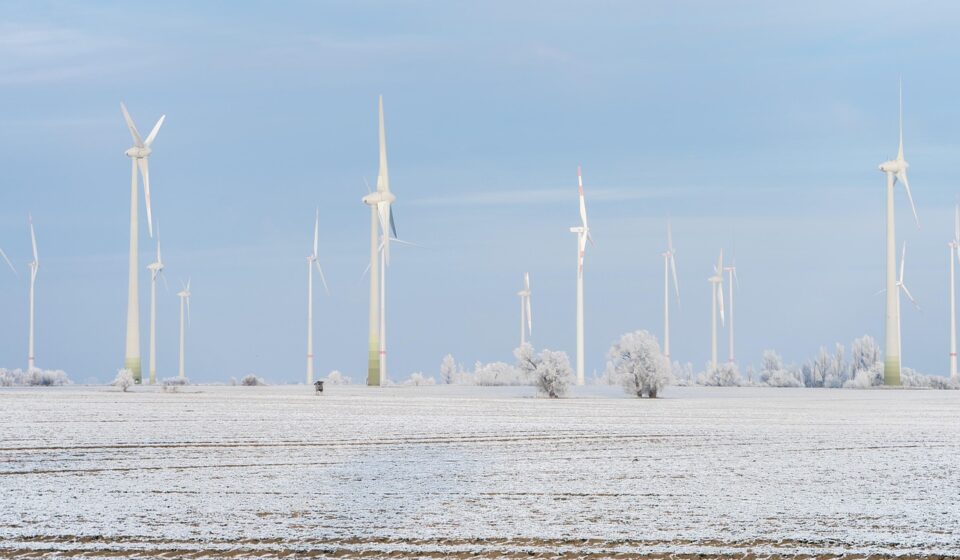
Small residential wind systems can produce electricity where there is enough land area, acceptable zoning, and a strong wind resource. They also include moving parts, towers, guy wires or foundations, braking systems, and exposed electrical connections. Their maintenance is therefore more mechanical than solar PV. Owners should pay close attention to noise, vibration, blade condition, tower security, and safe service access.
Battery storage and hybrid systems
Batteries do not produce energy by themselves, but they can store solar or wind generation for later use. That makes them part of many home renewable systems. Battery maintenance depends heavily on chemistry, enclosure design, ventilation, software settings, and manufacturer instructions. Owners should never improvise battery repairs. Swelling, overheating, corrosion, odor, unexpected shutdowns, or repeated error codes should be treated as professional-service issues.
A practical maintenance schedule for renewable energy equipment
A written schedule is more reliable than memory. National Renewable Energy Laboratory PV operations and maintenance guidance emphasizes regular inspections, production records, and attention to visible problems such as shading, loose or damaged components, water intrusion, corrosion, and pest activity. For a home or small building, the following schedule is a practical starting point. If the installer’s manual or warranty requirements are more specific, follow those first.
| Interval | Maintenance task | Who should do it | Why it matters |
|---|---|---|---|
| Weekly or monthly | Review monitoring app, production meter, and inverter status lights | Owner | Early output drops often appear in data before they are obvious on a bill |
| Monthly | Check for new shade from trees, nearby construction, antennas, or roof equipment | Owner from ground level | Even partial shade can reduce production from affected modules or strings |
| After storms | Look for loose debris, visible panel damage, exposed wiring, water around equipment, or abnormal noises | Owner from a safe location; professional if anything looks damaged | Storm damage can create safety risks and long periods of underproduction |
| Seasonally | Clear leaves, weeds, and debris around ground-mounted arrays, inverters, and wind equipment access areas | Owner or landscaper | Good clearance reduces shading, pest activity, and heat buildup |
| Annually | Professional inspection of electrical connections, inverter condition, racking, corrosion, seals, and grounding | Qualified technician | Many important defects are not visible or safe for homeowners to test |
| As recommended | Battery ventilation, firmware, enclosure, and performance checks | Qualified technician or trained owner where allowed by the manual | Battery problems can affect backup reliability and safety |
Solar PV maintenance that protects output
Solar maintenance is mainly about keeping sunlight available, electrical pathways healthy, and monitoring visible. Because rooftop work is dangerous, homeowners should not climb onto a roof to inspect or wash panels unless they are properly trained and equipped. Many checks can be done from the ground, from an attic or utility area, or through a monitoring dashboard.
Control shade and debris
Shade is one of the simplest causes of lost solar production. New tree growth, leaves, bird activity, nearby construction, and rooftop equipment can change how much sunlight reaches the array. NREL guidance for PV systems includes checking whether vegetation or new objects are shading the array and removing debris where possible. For homeowners, that usually means trimming trees before they reach the array, keeping gutters from overflowing onto roof edges, and arranging professional cleaning only when dirt, pollen, ash, or bird droppings are likely to be affecting output.
Panel cleaning should be handled carefully. In many climates, rain removes ordinary dust. In dry, smoky, agricultural, or coastal areas, buildup may be more persistent. Avoid abrasive tools, pressure washing, harsh chemicals, and walking on modules. If the panels are on a steep or high roof, hire a qualified service provider instead of turning maintenance into a fall hazard.
Watch the inverter and monitoring system
The inverter is the system’s translator and often the first place a fault becomes visible. Department of Energy guidance for PV operation recommends regularly checking production meters, inverter faceplate indicators, and error messages. If the system has a monitoring app, learn its normal daily curve. Solar output should rise during the morning, peak around midday under clear conditions, and fall in the afternoon. Clouds, snow, and seasonal sun angle will change that curve, but sudden unexplained drops deserve attention.
Do not judge performance from one cloudy day. Compare similar weather days, monthly totals, or installer estimates. A production drop that continues across several sunny days is more meaningful than a single low-output afternoon. If the monitoring portal stops reporting, the system may still be producing, or there may be a communication, inverter, or meter issue. Record the date, error code, and any recent storm or outage before calling for service.
Inspect mounting, wiring, and weather exposure safely
Visual checks should focus on obvious changes: panels that look cracked or shifted, missing clamps, sagging conduit, animal nests, rust, water stains near electrical boxes, or unusual inverter heat and noise. NREL PV guidance identifies annual checks for items such as inverter condition, electrical boxes, corrosion, array damage, loose connections, and hot spots. Those checks often require professional tools and safe electrical procedures, so the homeowner’s role is to notice symptoms and schedule service.
Keep documentation in one place: installer contact information, permits, interconnection paperwork, warranty documents, inverter model, battery model, monitoring login, and past service reports. Good records help technicians diagnose problems faster and help future owners understand how the system has performed.
Wind and battery maintenance deserve separate checklists
Small wind and battery storage can be valuable, but they should not be maintained as if they were solar panels. Each adds a different risk profile: wind systems add moving parts at height, while batteries add stored electrical energy and thermal management concerns. See also: Buying Guides.
Small wind maintenance
For small wind turbines, focus on changes you can observe safely from the ground. New vibration, unusual noise, visible blade damage, leaning towers, loose guy wires, or frequent shutdowns are warning signs. Keep vegetation and stored materials away from tower bases and access points. After severe weather, inspect from a safe distance and call a trained technician if anything looks misaligned or damaged. Do not lower towers, open turbine housings, or work on electrical components unless you are qualified and the system has been made safe according to the manufacturer’s procedure.
Battery maintenance
Battery systems should be kept within the temperature, ventilation, and clearance limits set by the manufacturer. NREL PV and storage maintenance guidance includes attention to ventilation or filtration systems and visual inspection of battery banks. In a home setting, owners should keep storage areas dry, clean, and unobstructed. Do not store flammable materials against the battery cabinet. Watch for alarms, repeated breaker trips, swelling, corrosion, water exposure, or abnormal smells. If the battery provides backup power, test backup settings before storm season rather than discovering a configuration problem during an outage.
Prepare renewable systems for storms and outages
Storm preparation is part of maintenance, not a separate emergency chore. Department of Energy PV life-cycle guidance recommends pre-storm measures such as removing debris, securing loose materials, protecting components from moisture where possible, checking fasteners, and prioritizing system survival over production. For homeowners, the safe version is straightforward: clear loose outdoor items, make sure drainage paths are open, confirm battery charge settings if backup is expected, and know where system disconnects are located.
Do not assume solar panels will power the home during an outage. Many grid-tied solar systems shut down automatically when the grid is down unless they are designed with battery storage or special backup equipment. This is a safety feature intended to protect utility workers and equipment. If backup power is important, ask your installer to explain exactly which circuits are backed up, how long the battery may last, and which loads should be avoided.
When lower output means a maintenance problem
Not every production dip is a defect. Weather, shorter winter days, snow cover, utility curtailment, inverter clipping, and normal equipment aging can all affect output. A maintenance problem is more likely when output drops suddenly, one part of the array performs differently from the rest, an inverter shows an error, a breaker trips repeatedly, or monthly generation is far below comparable periods without an obvious weather reason.
A simple troubleshooting log can prevent confusion. Record the date, weather, production reading, error message, and visible conditions such as snow, smoke, shade, or storm debris. If you contact a technician, provide screenshots from the monitoring app and photos taken from a safe location. This helps separate normal variability from issues such as failed strings, inverter faults, communication failures, damaged modules, vegetation shade, or water intrusion.
Frequently asked questions
How often should solar panels be cleaned?
There is no universal cleaning interval. Many residential PV systems need only occasional cleaning because rain removes ordinary dust. Cleaning becomes more useful when visible buildup, bird droppings, wildfire ash, pollen, or long dry periods coincide with lower production. Safety matters more than appearance, so roof-mounted panels should be cleaned by professionals when access is risky.
Can homeowners maintain renewable energy systems themselves?
Homeowners can review monitoring data, keep records, watch for shade, maintain clear access, remove ground-level debris, and report visible changes. Electrical testing, rooftop inspections, inverter repairs, turbine service, and battery diagnostics should usually be handled by qualified professionals. The boundary is simple: if the task requires opening electrical equipment, climbing, lifting heavy components, or bypassing safety controls, call a technician.
Why did my renewable system produce less energy this month?
Common reasons include cloudy weather, shorter days, snow, new shade, dirty panels, inverter errors, communication failures, battery settings, or equipment faults. Compare production with similar months and similar weather before assuming a defect. A sudden drop during sunny weather is more concerning than a gradual seasonal change.
Do batteries help a home produce renewable energy?
Batteries do not generate electricity, but they store energy produced by solar panels or wind turbines. They can improve backup capability and help use more of the electricity produced on site. Their value depends on system design, utility rules, battery capacity, household loads, and maintenance of temperature, ventilation, and software settings.
What is the most important maintenance habit?
The most important habit is consistent production monitoring. A clean-looking system can still have an inverter, wiring, communication, or battery issue. Checking output regularly gives you an early warning and makes it easier to decide when professional maintenance is needed.