Lectron Tesla to J1772 adapter explained for non-Tesla EV charging
a[data-rs-seo-link]{text-decoration:underline!important;color:#1a56db!important;cursor:pointer!important;}a[data-rs-seo-link]{text-decoration:underline!important;color:#1a56db!important;cursor:pointer!important;}
What the Lectron Tesla to J1772 adapter does
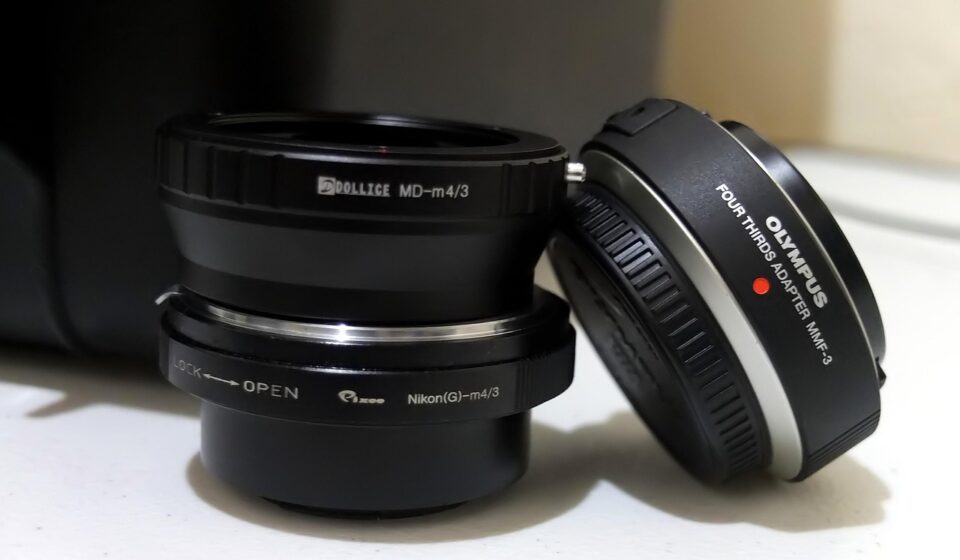
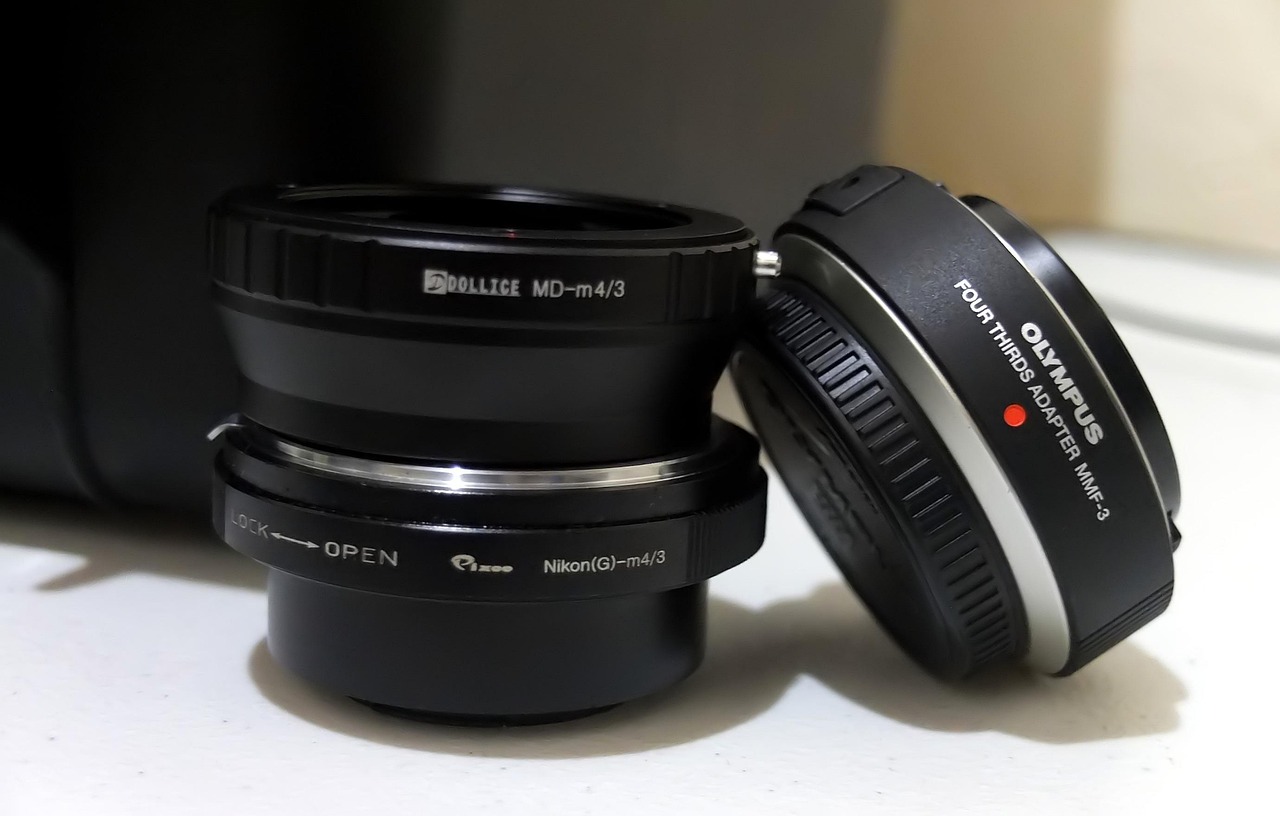
The Lectron Tesla to J1772 adapter is a directional AC charging adapter for drivers whose EV or plug-in hybrid has a J1772 inlet but who want to use a Tesla-style AC charger. In practical terms, it allows the Tesla/NACS plug from a Wall Connector, Destination Charger, or Mobile Connector to connect to a J1772 vehicle. It does not make a J1772 vehicle compatible with Tesla Superchargers, and it does not convert AC charging into DC fast charging. Lectron lists its common 48 amp model for 240 volt Level 2 charging, with a maximum output of about 11.5 kW when the charger and vehicle can both support that rate.
For non-Tesla EV owners, the practical question is whether this adapter can unlock Tesla-style chargers without replacing an existing charging setup. In many AC charging situations, the answer is yes, provided the charger, vehicle, and adapter rating match. For more charging equipment explainers, see our Charging Equipment section.
Where it works and where it does not
The key distinction is AC Level 1/Level 2 charging versus DC fast charging. The U.S. Joint Office of Energy and Transportation explains that NACS can be used for AC Level 1 and Level 2 charging and can be compatible with J1772 through an adapter at those charging speeds. That is the use case for a Tesla-to-J1772 AC adapter.
Superchargers are different. They are DC fast chargers, while a J1772 inlet is the AC portion of a non-Tesla charging port. A J1772 adapter does not provide the larger DC contacts, communication pathway, authorization, or vehicle support required for DC fast charging. Some non-Tesla EVs can use selected Tesla Superchargers with an approved NACS-to-CCS1 DC adapter and automaker support, but that is a separate adapter category.
| Charging situation | Typical result | Why it matters |
|---|---|---|
| Tesla Wall Connector at home | Often usable | The charger must allow non-Tesla charging, and its output must stay within the adapter and vehicle limits. |
| Tesla Destination Charger | Often usable, but site settings vary | Hotels, parking facilities, and hosts may configure chargers differently, so a physical fit does not always guarantee a charging session. |
| Tesla Mobile Connector | Usable within outlet and current limits | Lectron documentation lists Mobile Connector compatibility, but available amperage depends on the plug, outlet, and circuit. |
| Tesla Supercharger | Not usable with this adapter | Supercharging is DC fast charging; J1772 is for AC charging on non-Tesla vehicles. |
| Standard J1772 public charger | No adapter needed | A J1772 vehicle can plug directly into a J1772 connector. |
Charging speed depends on more than the adapter rating
Lectron’s 48 amp Tesla-to-J1772 model is commonly described as a 240 volt Level 2 adapter with a maximum power output of about 11.5 kW. That figure is a ceiling, not a guaranteed charging speed. The actual rate is set by the lowest-rated part of the chain: the Tesla-style charger, the charger’s circuit setting, the adapter, the vehicle’s onboard AC charger, and sometimes temperature or battery management limits.
For example, a J1772 vehicle with a 32 amp onboard charger will not take 48 amps just because the adapter is rated for 48 amps. It will normally charge at around 7.7 kW on a 240 volt supply. A vehicle capable of 40 amps may charge at around 9.6 kW. A vehicle capable of 48 amps may approach 11.5 kW if the Tesla-style charger is also configured to provide that current. Plug-in hybrids often have smaller onboard AC chargers, so they may charge at much lower rates even when connected to a high-current Level 2 station.
That is why the adapter should be selected around both safety margin and real vehicle capability. A 48 amp adapter is useful if you regularly encounter 40 amp or 48 amp AC charging equipment, but it will not shorten charging time on a vehicle limited to 16, 24, or 32 amps.
Compatibility checks before you buy or use one
Before using a Tesla-to-J1772 adapter, confirm the direction. A Tesla-to-J1772 adapter is for a Tesla-style charger plug going into a J1772 vehicle. A J1772-to-Tesla or J1772-to-NACS adapter does the reverse, allowing a Tesla/NACS vehicle to use a J1772 charger. The two are not interchangeable.
Check the vehicle inlet
The adapter is intended for vehicles with a J1772 AC inlet, including many battery-electric vehicles and plug-in hybrids sold in North America. Vehicles with CCS1 ports also include the J1772 AC portion at the top of the port, so the adapter can be relevant for AC charging. DC fast charging, however, would require the CCS portion and a different adapter system if supported by the automaker.
Check the charger setting
Lectron’s manual guidance for the 48 amp model warns users to keep the Tesla Destination Charger output below the adapter’s maximum and to avoid exceeding the rated current. If a Tesla Wall Connector is set higher than the adapter or vehicle can safely handle, the charger should be configured correctly by a qualified person before use. A portable Mobile Connector also depends on the outlet adapter and circuit available at the location.
Check site access and charger configuration
Some Tesla Wall Connectors and Destination Chargers may be configured for Tesla-only operation, while others allow all EVs or compatibility modes. The adapter alone cannot override those settings. If you are planning a hotel stay or road trip stop around a Destination Charger, contact the property or check recent driver reports before relying on that charger as your only option.
Safety and standards details readers should not skip
EV charging adapters sit between high-current equipment and the vehicle, so they should be treated as electrical equipment rather than simple travel accessories. Inspect the adapter before each use, make sure both sides are fully seated, avoid forcing the latch, and stop charging if you notice heat, odor, discoloration, arcing, or repeated fault lights. Do not use a damaged charger cable or adapter.
Lectron’s user manual for the 48 amp Tesla-to-J1772 adapter lists an operating temperature range from -22°F to 122°F and identifies the unit as IP54-rated, while still recommending that users avoid getting the adapter wet. The same manual instructs users to connect the Tesla charger plug to the adapter, wait at least 30 seconds, and then connect the adapter to the J1772 vehicle. It also recommends disconnecting the adapter from the Tesla charger after each use. See also: Buying Guides.
Certification language deserves careful reading. UL 2252 is the adapter-focused safety standard referenced by U.S. public charging guidance during the J3400 transition. UL 2251, by contrast, covers plugs, receptacles, and couplers for electric vehicles. Product pages and marketplace listings can use different phrases across model years and variants, so buyers should verify the exact model number, label, manual, and certification marking for the unit they are purchasing rather than assuming every similar-looking adapter has the same certification status.
How the NACS and J3400 transition affects J1772 drivers
Tesla’s connector is widely referred to as NACS and is being standardized through SAE as J3400. The transition is changing both vehicles and charging stations in North America, but it does not make existing J1772 vehicles obsolete. Instead, it creates a mixed period in which drivers may encounter J1772 AC chargers, CCS1 DC fast chargers, Tesla-style AC chargers, and NACS/J3400 DC fast chargers.
For a J1772 vehicle owner, a Tesla-to-J1772 AC adapter can still be useful during this transition. It can expand access to home, workplace, hotel, and destination-style AC charging where Tesla-style equipment is installed. It is especially relevant for households that already have a Tesla Wall Connector but now own a non-Tesla EV, or for drivers who often stay at properties with Tesla Destination Chargers.
The adapter is less relevant if your charging is almost entirely at standard J1772 stations or if your vehicle already has a native NACS inlet. It also should not be treated as a replacement for a DC fast charging plan. Road trips still require checking the vehicle’s fast-charging standard, approved adapters, network access rules, and station availability.
Practical buying and use checklist
- Confirm that the adapter direction is Tesla/NACS charger to J1772 vehicle.
- Match the adapter’s amp rating to the charger output and the vehicle’s onboard AC charging limit.
- Do not use this adapter at Tesla Superchargers or other DC fast chargers.
- Verify whether the Tesla Wall Connector or Destination Charger allows non-Tesla charging.
- Read the model-specific manual, especially timing, current, weather, and storage instructions.
- Look for the exact safety certification marking on the product and packaging, not only in a marketplace headline.
- Stop using the adapter if it becomes unusually hot, loose, cracked, or difficult to latch.
Frequently asked questions
Can the Lectron Tesla to J1772 adapter use Tesla Superchargers?
No. This type of adapter is for Tesla-style AC charging equipment such as Wall Connectors, Destination Chargers, and compatible Mobile Connectors. Superchargers are DC fast chargers and require a different charging interface, vehicle support, and network authorization.
Does a 48 amp adapter mean my car will charge at 48 amps?
No. The adapter rating is only the maximum the adapter is designed to handle. The vehicle’s onboard AC charger, the Tesla-style charger setting, and the circuit behind the charger all affect the actual charging current.
Will it work with every J1772 EV?
It should be physically relevant to J1772 AC inlets, but real-world operation depends on the charger configuration, vehicle behavior, and adapter model. Some Tesla-style chargers may be set to Tesla-only operation or may need compatibility settings to work with non-Tesla vehicles.
Can I leave the adapter attached to a wall charger?
Lectron’s 48 amp manual recommends disconnecting the adapter from the Tesla charger after each use. For a home setup, convenience should be balanced against manufacturer instructions, weather exposure, and routine inspection.
Is this still worth carrying as more vehicles move to NACS?
For current J1772 vehicle owners, yes, it can still be useful for AC charging access during the transition. Its value depends on where you charge: it is most useful when you regularly encounter Tesla Wall Connectors or Destination Chargers and least useful if you mainly use native J1772 stations.
Bottom line
The Lectron Tesla to J1772 adapter is best understood as an AC Level 1 and Level 2 access tool for J1772-equipped vehicles. It can make Tesla-style home and destination charging more flexible, especially where a Wall Connector or Destination Charger is already available. Its limits are just as important: it is not a DC fast charging adapter, it does not guarantee that every Tesla-style charger will start a session, and it cannot make a vehicle charge faster than its onboard AC hardware allows. If the adapter direction, amp rating, charger settings, and safety markings all check out, it can be a practical addition to a non-Tesla EV charging kit.