How to evaluate a charging station as EV networks scale
a[data-rs-seo-link]{text-decoration:underline!important;color:#1a56db!important;cursor:pointer!important;}a[data-rs-seo-link]{text-decoration:underline!important;color:#1a56db!important;cursor:pointer!important;}
The charging station is becoming a reliability asset
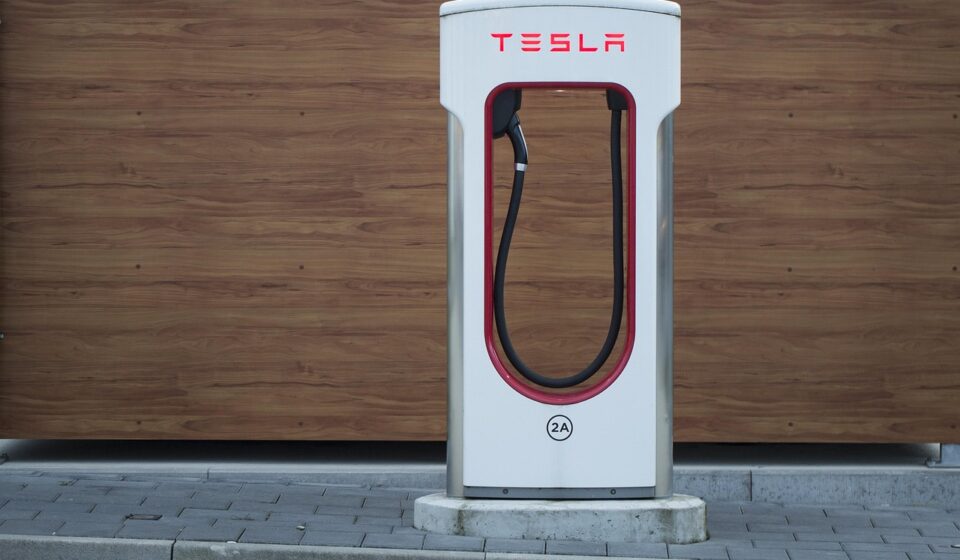
A charging station is no longer just a visible plug at the edge of a parking lot. For drivers, it is useful only when a port is available, the connector fits, payment works and the charging speed matches the length of the stop. For site hosts, it is a power asset that can affect parking turnover, electrical service, maintenance budgets and customer experience.
That is why charging station planning has moved beyond counting sites. Operators, property owners and public agencies increasingly have to measure available ports, uptime, usable power and the quality of the driver experience. This article looks at how to evaluate a charging station in the United States as EV networks expand and standards continue to evolve.
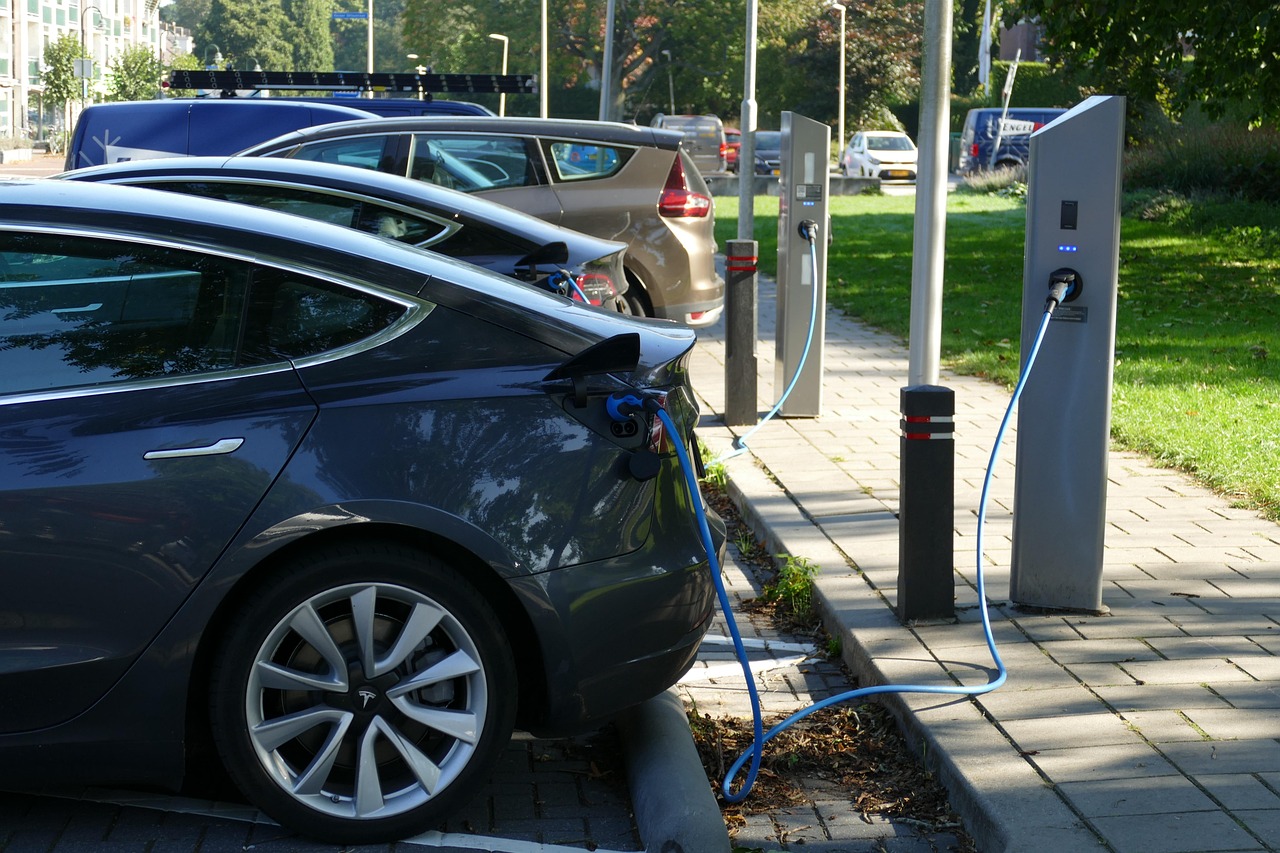
For related hardware and infrastructure context, see our charging equipment section.
Station locations, ports and connectors measure different things
Charging station discussions often become confusing because the same word is used for different parts of the system. A station location is the physical site, such as a grocery store lot, highway travel center, workplace garage or multifamily parking area. A charging port is the equipment position that can charge one vehicle at a time. A connector is the plug interface available at that port.
This distinction matters for capacity planning. A site with one dual-cable unit may appear as one station, but it may not allow two vehicles to charge at full power at the same time. A larger site with eight or twelve ports can move more vehicles even if it is counted as a single station location. For drivers, port count is closer to the real question: how many vehicles can charge now?
Public counts also change frequently. In a Congressional Research Service report dated June 16, 2026, the U.S. Department of Energy Alternative Fuels Data Center was cited as reporting 80,479 public EV charging stations in the United States, with 248,905 Level 2 and DC fast charging ports. Residential chargers are not included in that public-station registry, so the figure does not describe the much larger base of home charging.
Charging speed should match dwell time
Equipment selection starts with how long vehicles are expected to remain parked. More power is not automatically better if the site does not need fast turnover. At the same time, lower-power equipment can frustrate drivers at locations where they expect a quick stop. The U.S. Department of Transportation describes Level 2 equipment as common for home, workplace and public settings, while direct current fast charging is typically used along high-traffic corridors and other rapid-turnover locations.
| Charging type | Typical role | Planning implication |
|---|---|---|
| Level 1 | Very low-power AC charging from a standard outlet | Useful for limited or emergency use, but usually too slow for public commercial deployment. |
| Level 2 | AC charging at 208 or 240 volts | Fits workplaces, apartments, hotels, retail centers and locations where vehicles stay for several hours. |
| DC fast charging | High-power charging that converts grid AC to DC before reaching the vehicle | Fits highway corridors, fleet turnaround, travel centers and sites where drivers expect a shorter stop. |
Speed claims should be treated as practical ranges, not guarantees. Vehicle battery size, battery temperature, state of charge, charger power, cable cooling and power sharing can all affect the result. For many EVs, charging slows significantly at a high state of charge, which is why road-trip guidance often focuses on charging to around 80 percent instead of waiting for a full battery.
Useful sites are designed around use, not just traffic
High vehicle traffic can help a site, but traffic alone does not make a charging station successful. A strong location combines driver demand, safe parking, electrical capacity, clear access and a reason to stay. Retail centers may benefit from Level 2 or moderate DC charging because drivers can shop while plugged in. Travel centers usually need multiple DC fast ports, restrooms, lighting, food, predictable pricing and enough space for vehicles to enter and exit without blocking other traffic.
Workplaces and multifamily properties have different requirements. They may not need very high power at every stall, but they do need fair access rules, managed charging, clear pricing and equipment that can withstand daily use. In fleet settings, the question shifts again. Route timing, depot layout, utility interconnection, backup plans and software controls can be more important than public visibility.
Good planning also leaves room for growth. Conduit, transformer capacity, parking layout and data connectivity are easier to prepare during the first installation than to retrofit later. A small first phase can still be future-ready if the civil and electrical work anticipates additional ports.
Reliability and payment access are now core equipment issues
The industry has moved past the idea that deployment alone is enough. A charging station that appears on a map but fails at the screen, connector, payment terminal or network handshake damages driver confidence. Reliability is now part of the value of the equipment, not just an operations detail.
Federal standards have reinforced this shift. The Federal Highway Administration final rule for National Electric Vehicle Infrastructure standards became effective on March 30, 2023. For covered federally funded charging projects, the rule addresses topics such as installation, operation, maintenance, interoperability, data, network connectivity, real-time status, pricing transparency and payment methods. Under 23 C.F.R. Part 680, covered charging ports are also subject to an average annual uptime requirement greater than 97 percent.
Payment design is equally important. A driver should not have to download several apps, create a new account or guess the final price before charging. Contactless payment, clear on-screen pricing, working customer support and real-time availability data reduce friction. These features matter especially for first-time EV drivers, visitors, renters and people who do not use a network regularly.
Connector strategy is in transition
Connector planning is one of the most important equipment decisions for a U.S. charging station. CCS1, CHAdeMO and Tesla-developed NACS have all appeared in the North American market, while SAE J3400 has become the open standard path for the NACS-style connector. The Joint Office of Energy and Transportation has described a transition period in which both CCS1 and J3400 connectors will be present on vehicles and chargers. See also: Buying Guides.
For new sites, the practical question is not only which vehicles are common today, but which vehicles will arrive over the equipment life. A corridor station may need to serve long-distance drivers from multiple brands. A workplace site may be guided by employee vehicle mix. A fleet depot can standardize more easily if vehicles are purchased under a common plan.
Adapters can reduce friction during the transition, but they are not a substitute for careful design. Site owners should follow vehicle manufacturer guidance and safety certification developments rather than relying on generic adapters. A connector strategy should also account for cable reach, stall layout and whether vehicles with charge ports in different positions can park without blocking adjacent spaces.
The 2030 charging gap is about location and power, not only counts
Long-term demand estimates show why infrastructure strategy has to be more precise than simply adding plugs. A U.S. Department of Energy Fact of the Week published on March 18, 2024 cited National Renewable Energy Laboratory analysis estimating that 33 million EVs on U.S. roads in 2030 would require 28 million charging ports. Most of those would be private Level 1 and Level 2 ports at single-family homes, while public and shared charging would serve apartment residents, workplaces, stores, restaurants, hotels and long-distance travel.
That forecast highlights an important planning issue. Public DC fast charging may be a small share of total ports, but it has an outsized role in driver confidence. Drivers who charge at home most of the time still need fast, dependable stations for road trips. Drivers without home charging need workplace, curbside, multifamily and public options that fit daily routines. A network can look large on a map and still be weak if the available ports are in the wrong locations, too slow for the use case or unreliable during peak travel periods.
The International Energy Agency reported in its Global EV Outlook 2026 that global public charging points exceeded 7 million by the end of 2025. The U.S. market is part of that expansion, but local gaps remain uneven. Rural corridors, older multifamily housing, urban curbside parking and high-demand highway exits can each require different solutions.
What site hosts should evaluate before installing equipment
A charging station project should begin with a practical checklist, not a hardware quote alone. The following questions help connect equipment selection with long-term usefulness:
- Driver use case: Are drivers stopping for 20 minutes, three hours or overnight?
- Port count: How many vehicles must charge at the same time during peak periods?
- Simultaneous power: Can all ports deliver the advertised power together, or is power shared?
- Utility capacity: Does the site need transformer upgrades, new service, demand management or staged construction?
- Connector mix: Which vehicle types must be supported now, and which are likely during the equipment life?
- Payment and access: Can occasional users pay without unnecessary barriers?
- Maintenance plan: Who monitors uptime, repairs faults and replaces damaged cables or screens?
- Site experience: Is the location visible, safe, accessible, well lit and easy to enter and exit?
The strongest projects treat charging as a system: equipment, software, utility service, parking management, driver communication and maintenance. A cheaper charger can become expensive if it creates long queues, frequent outages or a retrofit after demand grows.
Frequently asked questions
What is the difference between a charging station and a charging port?
In common use, a charging station refers to the site or location. A charging port is the equipment position that can charge one vehicle at a time. One station can have one port or many ports, so port count is usually the better measure of real charging capacity.
Is DC fast charging always better than Level 2?
No. DC fast charging is valuable for road trips and quick-turnover locations, but it costs more to install and operate. Level 2 can be a better fit for workplaces, apartments, hotels and retail locations where vehicles remain parked for hours.
How many ports should a public charging station have?
There is no single number for every site. A useful public station should have enough ports to handle expected peak demand, allow for occasional outages and avoid forcing drivers to wait. Corridor fast-charging sites generally need multiple ports because drivers often arrive in waves.
Which connector should a U.S. charging station support?
The answer depends on the vehicles the site expects to serve. Many U.S. sites must consider both CCS1 and SAE J3400 during the transition period. Fleet sites can be more targeted, while public highway stations should plan for broader compatibility.