New Tesla solar panels buying guide for homeowners

a[data-rs-seo-link]{text-decoration:underline!important;color:#1a56db!important;cursor:pointer!important;}a[data-rs-seo-link]{text-decoration:underline!important;color:#1a56db!important;cursor:pointer!important;}
New Tesla solar panels are a serious option for homeowners who want a roof-mounted system built around Tesla’s app, Solar Inverter and Powerwall ecosystem. The appeal is not just panel wattage. It is the package: low-profile mounting, battery integration, monitoring and a single recognizable brand. The limits matter just as much. Tesla’s published 415 W and 420 W panel specifications are competitive, but they are not the only high-efficiency option in the market. Under current IRS and U.S. Code guidance, the federal Residential Clean Energy Credit is no longer available for post-2025 residential expenditures. Treat Tesla as one serious quote, then compare it with at least one well-documented local installer proposal.
For more homeowner-focused energy comparisons, visit our Buying Guides section.
What changed with Tesla’s newer solar panel offering
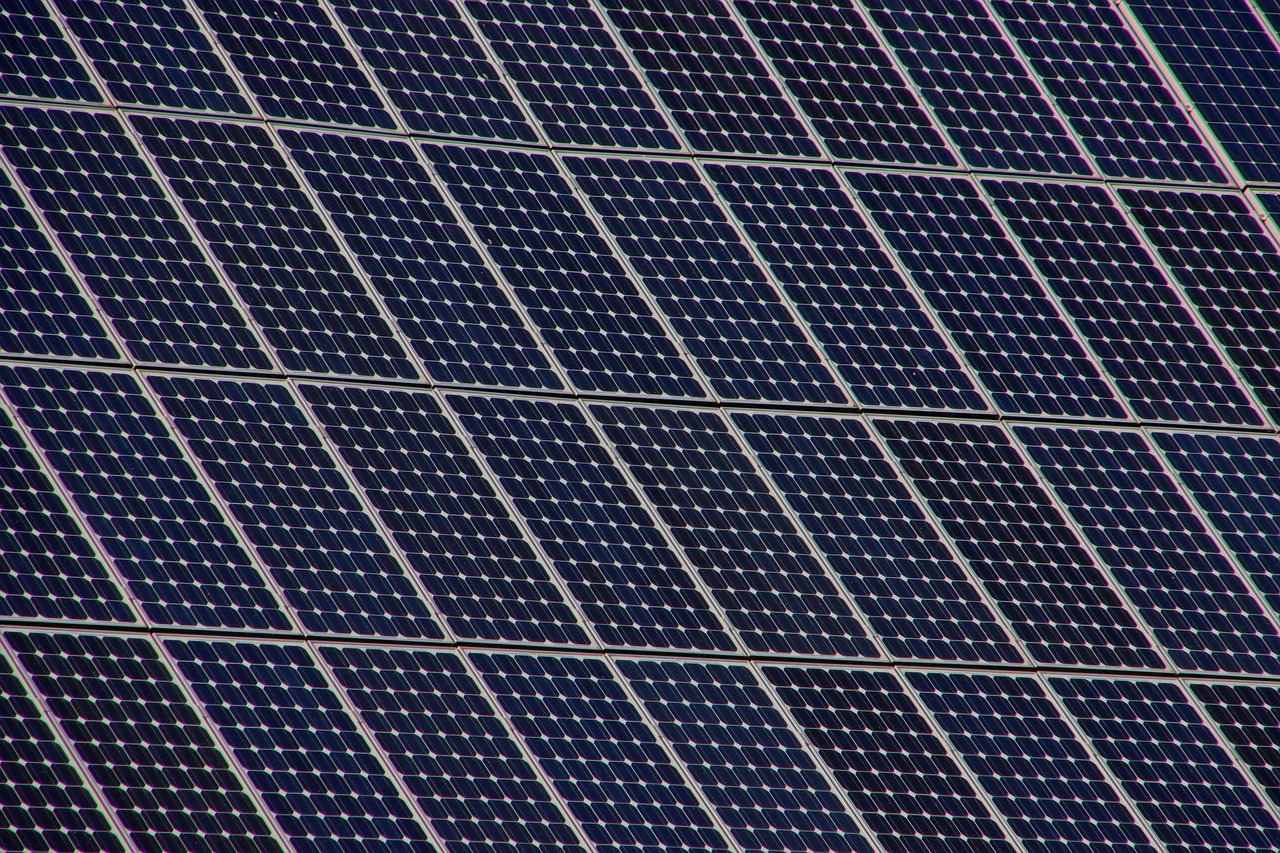
Tesla has sold residential solar for years. The newer Tesla Solar Panel line is notable because it brings Tesla-branded modules into the same product family as Tesla Solar Inverter, Powerwall and the Tesla app. Industry coverage in January 2026 described the TSP-415 and TSP-420 modules as a move away from relying only on third-party panels for Tesla residential installations. Tesla’s own warranty document, effective June 2, 2026, lists product reference numbers from TSP-405 through TSP-430, while publicly available Tesla technical documents most clearly detail the 415 W and 420 W versions.
That distinction matters when you review a proposal. A quote may say “Tesla solar panels,” but the exact module, inverter, mounting system, battery option and warranty paperwork should still be listed. Do not assume every Tesla proposal uses the same equipment mix in every market. Availability can vary by state, installer channel, roof type and utility interconnection requirements.
These panels are also different from Tesla Solar Roof. Tesla Solar Panels are conventional photovoltaic modules mounted on an existing roof using Tesla’s low-profile mounting hardware. Solar Roof is a building-integrated roofing product that replaces roofing material with energy-generating tiles and non-solar roof tiles. If your roof is in good condition, panels are usually the simpler comparison. If you need a full roof replacement, Solar Roof may be part of the discussion, but it is a different product with a different cost structure.
Key specs to know before comparing quotes
Published Tesla documents for the TSP-415 and TSP-420 show a residential module in the mainstream premium range, not an extreme high-efficiency niche product. The better question is whether the full system design fits your roof and utility plan, not whether one panel has the highest nameplate rating on a spec sheet.
| Item | Published detail to verify in your quote | Why it matters |
|---|---|---|
| Panel power class | 415 W or 420 W in Tesla’s published datasheet; warranty documents also list TSP-405 through TSP-430 references | Higher wattage can reduce the number of modules needed, but layout and shading still drive real output. |
| Module efficiency | At least 20.3% for TSP-415 and at least 20.5% for TSP-420 | Useful when roof space is limited, though some premium third-party modules may offer higher published efficiency. |
| Dimensions | About 71.1 in x 44.7 in x 1.57 in | Determines how many panels fit around vents, skylights, hips, valleys and setback rules. |
| Panel warranty | 25-year product warranty and performance warranty in Tesla’s current module warranty | Warranty strength depends on exclusions, documentation, transfer rules and the service process. |
| Performance degradation | At least 98% of rated peak power after year one, then no more than 0.45% decline per year for 24 years | This equals about 87.2% of rated output at year 25 if calculated from Tesla’s published warranty terms. |
| Inverter options | Tesla Solar Inverter documents list AC output ratings including 3.8 kW, 5.0 kW, 5.7 kW and 7.6 kW | The inverter size affects clipping, expansion options, backup design and how solar is converted for home use. |
| Battery pairing | Powerwall 3 is published at 13.5 kWh nominal energy with configurable output up to 11.5 kW in U.S. documents | Battery value depends on outage risk, time-of-use rates, export rules and backup loads. |
A simple sizing example helps translate panel ratings. Twenty 420 W panels equal 8.4 kW DC before losses. Twenty-four equal 10.08 kW DC. Thirty equal 12.6 kW DC. Actual annual production depends on orientation, shade, roof pitch, weather, inverter sizing, soiling and local utility rules. For a realistic comparison, homeowners should review production guarantees or modeling assumptions across quotes instead of relying only on nameplate capacity.
Warranty and service details deserve close reading
Tesla’s module warranty has a clear headline benefit: 25 years for product defects and a separate performance schedule. The fine print still matters. Warranty coverage can depend on approved installation, proper operation, documentation and exclusions for conditions outside the manufacturer’s control. If a quote includes Tesla Certified Installer work rather than direct Tesla installation, ask who handles troubleshooting, labor claims, roof penetrations, and removal and reinstallation if roof work is needed later.
Tesla support materials also describe a 10-year comprehensive warranty for purchased solar systems alongside the 25-year panel performance warranty. Homeowners should not treat that as a substitute for reading the actual contract. A panel warranty, inverter warranty, workmanship warranty, battery warranty and roof penetration coverage can have different terms. The best buying decision is based on the full warranty stack, not just the longest number in the sales presentation.
Service expectations should be practical. A national brand can offer standardized hardware and app-based monitoring. A strong local installer may offer faster site visits, more flexible equipment choices or longer workmanship coverage. Neither model is automatically better in every city. Before signing, ask for a written service pathway: who you contact, expected response time, whether monitoring alerts are proactive and what happens if a roof leak or inverter failure appears after installation.
How the 2026 tax-credit change affects the buying decision
The financial calculation changed for U.S. homeowners after 2025. IRS guidance and the updated federal tax code state that the Residential Clean Energy Credit does not apply to residential clean energy expenditures made after December 31, 2025. Homeowners who installed eligible systems before the deadline may still have carryforward issues to discuss with a tax professional, but a new 2026 residential purchase should not be modeled as if the old 30% federal credit still reduces the price.
That does not mean solar cannot pay back. It means quotes need cleaner math. Focus on the gross installed cost, loan fees, interest rate, expected utility inflation, net billing or net metering rules, time-of-use rates, local rebates, property tax treatment and whether battery storage earns value during outages or peak-rate periods. If a salesperson still shows a 30% federal credit for a 2026 installation, ask for the legal basis in writing and verify it independently.
NREL’s 2025 benchmark materials use an 8 kW DC representative residential PV system for cost analysis, which is a useful reference point because many U.S. homes fall near that range. A Tesla design may be smaller or larger depending on your usage, roof and goals. The right system is not always the biggest one. Oversizing can be useful where EV charging, electrification or batteries are planned, but it can also weaken the economics if your utility pays little for exported power.
Tesla solar panels vs a local installer quote
The smartest comparison is not “Tesla versus everyone.” It is Tesla’s full system proposal versus one or two complete local proposals, with equipment, warranties, production estimates and financing terms shown clearly. A lower price per watt is attractive, but it can be misleading if it hides dealer fees, weaker roof coverage, undersized inverters or unrealistic production estimates.
| Comparison point | Tesla solar proposal | Local installer proposal |
|---|---|---|
| Equipment ecosystem | Strong fit with Tesla Solar Inverter, Powerwall and Tesla app | May offer more module and inverter combinations |
| Panel aesthetics | Low-profile mounting and skirts are a major selling point | Appearance varies by racking system and installer practice |
| Battery integration | Powerwall integration is a clear advantage for Tesla-focused homes | May offer Powerwall or alternative batteries, depending on certification |
| Service model | National brand process, sometimes routed through support systems or certified installers | Potentially faster local contact, but quality varies widely |
| Customization | Can be more standardized | Often more flexible for complex roofs, panel-level electronics or special electrical work |
| Best fit | Homeowners who value Tesla integration, clean aesthetics and battery pairing | Homeowners who want multiple hardware choices and highly customized design |
If your roof has heavy shade from trees, chimneys, dormers or nearby buildings, ask extra questions about string design and shade mitigation. Panel-level power electronics from other ecosystems may perform better in some complex shade situations, while a clean south- or west-facing roof may work well with a simpler layout. The installer should show a shade analysis, not just a monthly production estimate. See also: Charging Equipment.
Questions to ask before ordering new Tesla solar panels
Which exact module will be installed?
Ask for the model number, wattage, datasheet and warranty document. If the proposal says TSP-420, confirm that the layout, panel count and system size all match that wattage. If a different Tesla module is listed, ask for its published specifications.
What inverter capacity is included?
Compare the DC size of the panel array with the AC inverter rating. Some clipping is normal in solar design, but the installer should explain why the ratio is appropriate for your roof orientation, climate and utility rules. If Powerwall 3 is included, clarify whether solar connects through Powerwall 3 or through a separate Tesla Solar Inverter.
What happens if the roof needs work?
Solar panels often last longer than roof shingles. If your roof may need replacement within the next five to ten years, get a roofing assessment before installation. Ask for written removal and reinstallation pricing, roof penetration coverage and any limitations tied to third-party roofers.
How are savings calculated?
Request the assumptions behind the savings estimate: current utility rate, annual rate escalation, export compensation, battery operating mode, system degradation and financing costs. A credible quote should still make sense if you adjust optimistic assumptions downward.
Who handles permits and interconnection?
Permitting and utility approval can take longer than the physical installation. Ask who submits documents, how you will be updated, and whether the projected timeline depends on your utility, homeowners association or local inspection office.
A practical buying checklist
- Collect at least two complete quotes, including one Tesla proposal if available in your area.
- Compare gross price before incentives, not only monthly loan payment.
- Verify panel model, inverter model, battery model and mounting details.
- Ask for first-year production estimates and the assumptions behind them.
- Review the panel, inverter, battery, workmanship and roof warranties separately.
- Check your utility’s current export credit, time-of-use and interconnection rules.
- Confirm whether any state, utility or local incentive is still available in writing.
- Do not rely on the expired federal residential credit for a new 2026 installation unless a qualified tax adviser confirms a specific exception.
- Make sure your roof condition supports a 20- to 25-year solar investment.
- Keep copies of contracts, permits, inspection approvals, warranty documents and final system drawings.
For many homeowners, Tesla will be most compelling when solar, battery backup and app-based energy management are purchased as one integrated system. For others, especially homes with complicated shade or owners who want the highest-efficiency module choices, a local installer may offer a stronger technical design. The right answer is the quote that is transparent, realistic and matched to your home’s actual energy profile.
Frequently asked questions
Are the new Tesla solar panels the same as Solar Roof?
No. Tesla Solar Panels are conventional rooftop modules installed above an existing roof. Solar Roof is a roof replacement product that uses solar and non-solar tiles. They should be compared separately because the installation scope, price and roofing implications are different.
Are Tesla’s new panels the most efficient panels available?
Tesla’s published TSP-420 efficiency of at least 20.5% is competitive, but it is not the highest published efficiency available in the residential market. Efficiency matters most when roof space is limited. On many homes, layout, shade, inverter design and price per watt matter more than a small efficiency difference.
Can I still claim the 30% federal solar tax credit in 2026?
For a new residential solar expenditure made after December 31, 2025, current IRS and U.S. Code guidance says the Residential Clean Energy Credit is not allowed. If your system was installed or paid for before the 2025 deadline and you have carryforward questions, consult a qualified tax professional.
Should I add Powerwall with Tesla solar panels?
Powerwall can make sense if you have outages, time-of-use rates, low export compensation or a strong preference for backup power. It may not pay back quickly if your grid is reliable and your utility gives strong credit for exported solar. Compare solar-only and solar-plus-storage proposals before deciding.
How many Tesla solar panels does a typical home need?
There is no universal number. As a rough illustration, twenty 420 W panels equal 8.4 kW DC, while twenty-four equal 10.08 kW DC. Your actual need depends on annual electricity use, roof space, orientation, shade, local sunlight, EV charging plans and utility rules.