Renewable energy generation buying guide for homes and small sites
a[data-rs-seo-link]{text-decoration:underline!important;color:#1a56db!important;cursor:pointer!important;}a[data-rs-seo-link]{text-decoration:underline!important;color:#1a56db!important;cursor:pointer!important;}
What buyers should decide before choosing a system
Renewable energy generation is not one standard product with one standard payback. For most U.S. homes and small sites, the practical comparison usually starts with solar photovoltaic panels. Batteries, small wind, microhydro and other options only make sense when the property conditions support them. The best system depends less on the headline equipment rating and more on four questions: how much electricity you use, when you use it, what renewable resource is available on the site and how your utility compensates exported power. Public guidance from the U.S. Department of Energy, the U.S. Energy Information Administration and the IRS points to a clear 2026 buying priority: verify incentives, interconnection rules and site suitability before signing a contract. This guide is for readers comparing options in the Buying Guides section, not for utility-scale developers.
What renewable energy generation means in practical buying terms
Renewable energy generation means producing electricity from resources that are naturally replenished, including sunlight, wind, moving water, biomass and geothermal heat. In residential and small commercial purchasing, however, not every renewable technology is equally realistic. A rooftop solar array can fit many properties. A small wind turbine needs open space, adequate annual wind speed, a tower location and local approval. Microhydro needs year-round flowing water and environmental approvals. Battery storage can improve the value and resilience of a generation system, but a battery does not create electricity by itself.

The national electricity mix also explains why buyers are seeing more products in this category. The U.S. Energy Information Administration reported that renewables supplied about 24% of U.S. utility-scale electricity generation in 2025, with wind, solar and hydropower making up the largest renewable shares. That does not mean every home should copy the utility-scale mix. It means the market for equipment, installers and grid rules is maturing, while the right choice still depends on local conditions.
Start with electricity use, not equipment size
A common buying mistake is to shop for panels, turbines or batteries before reviewing electricity consumption. A system that looks large in kilowatts may still underperform if the site has shade, weak wind, poor orientation or unfavorable export rates. Before requesting quotes, collect at least 12 months of utility bills and identify both annual kilowatt-hour use and seasonal peaks.
Check today’s load and tomorrow’s load
Current bills show the baseline, but planned changes can alter the design. Heat pumps, electric vehicles, induction cooking, workshop equipment or a new accessory dwelling unit can increase annual demand. Efficiency upgrades can reduce the system size needed. The Department of Energy advises homeowners considering solar to review electricity needs and future changes before finalizing a design, because sizing should reflect more than last month’s bill.
Separate energy from backup power
Energy and backup power are related, but they are not the same requirement. Solar panels may lower annual grid purchases, while a battery and compatible inverter may keep selected circuits operating during an outage. A standard grid-tied solar system usually needs proper islanding equipment and storage to operate safely when the grid is down. If resilience is a priority, ask installers to design around critical loads such as refrigeration, medical equipment, communications, lighting and well pumps instead of backing up the entire building by default.
Compare the main renewable generation options
The table below summarizes how buyers can screen common small-site options. It is not a ranking, because the most suitable choice depends on the property.
| Option | Where it can fit | What to verify before buying | Main limitation |
|---|---|---|---|
| Solar photovoltaic panels | Homes, farms and small businesses with usable roof or ground space | Shade, roof age, orientation, inverter type, utility interconnection and export compensation | Output varies by sun exposure, season and weather |
| Small wind turbine | Rural or open sites with strong wind and enough land for a tower | Hub-height wind resource, zoning, tower setbacks, maintenance access and turbine power curve | Poor fit for many suburban lots or turbulent low-height wind conditions |
| Microhydro | Properties with consistent flowing water and legal access | Flow rate, head, water rights, environmental permits and freeze or debris risks | Highly site-specific and often permitting-intensive |
| Battery storage | Solar sites, backup applications and areas with time-of-use rates | Usable capacity, continuous and surge power, backed-up circuits, warranty and controls | Stores electricity but does not generate it |
| Geothermal heat pump | Homes seeking efficient heating and cooling | Ground loop feasibility, installer experience, equipment efficiency and building load | Reduces energy use but is not electricity generation |
Solar PV is usually the first option to price because it has fewer moving parts and broader installer availability. The Department of Energy notes that PV converts sunlight directly into electricity and can work in hot and cold climates when there is adequate sunlight. Solar also scales well: buyers can compare several system sizes and financing structures without redesigning the entire property.
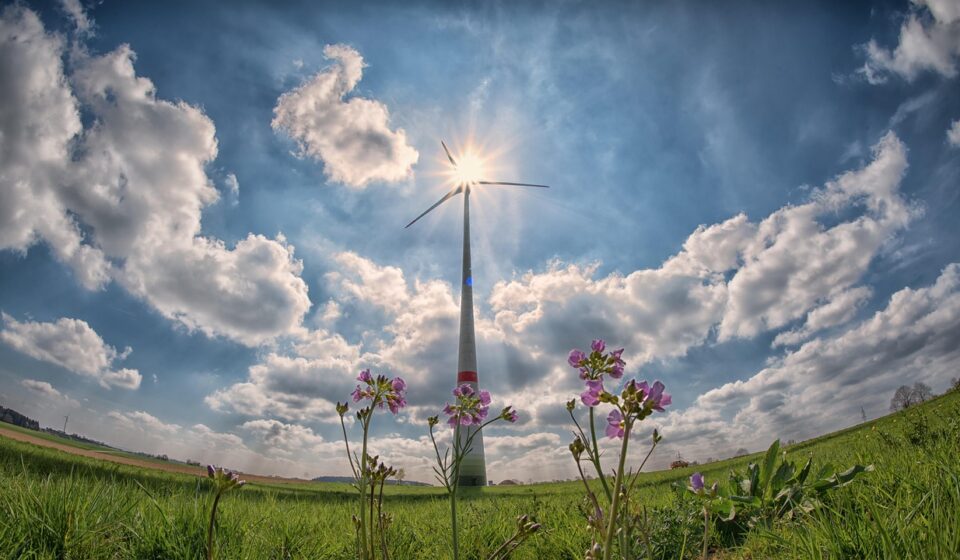
Small wind needs a stricter screen. DOE consumer materials describe typical residential wind systems as requiring sufficient land and average wind speeds, and the agency’s distributed wind guidance emphasizes wind resource assessment at turbine hub height. A windy-feeling backyard is not enough. Buildings, trees and terrain can create turbulence that reduces production and increases wear. For that reason, small wind is often better suited to farms, ranches, coastal sites and open rural properties than to dense neighborhoods.
Microhydro can provide steady generation where the resource is strong, but the number of eligible properties is limited. Buyers need technical measurements and legal review before assuming a stream can be used. Battery storage should be evaluated as a system component. It can increase self-consumption, support backup and shift energy use to higher-value hours, but it does not replace generation.
How to evaluate installer quotes and product specifications
A renewable energy proposal should translate equipment into expected annual production, operating limits and financial assumptions. Do not compare quotes by total price alone. Compare what each proposal includes and how the installer reached the estimate.
For solar PV quotes
- Ask for estimated first-year production in kilowatt-hours, not only system size in kilowatts.
- Confirm whether the estimate accounts for shade, roof pitch, azimuth, local weather and panel degradation.
- Review the inverter design, including whether it uses a string inverter, optimizers or microinverters.
- Check roof condition before installation; replacing a roof soon after installing panels can add avoidable labor costs.
- Ask who handles permits, inspections, utility applications and final permission to operate.
For battery quotes
- Compare usable kilowatt-hours, not only nameplate capacity.
- Identify which circuits will be backed up and for how long under realistic loads.
- Ask whether the system supports solar charging during an outage.
- Review warranty terms for years, cycles and retained capacity.
- Confirm whether software settings can adapt to time-of-use rates or changing utility rules.
For wind quotes
- Request production estimates based on hub-height wind data, not generic wind maps alone.
- Review tower height, setbacks, foundation requirements and maintenance access.
- Ask for the turbine power curve and assumptions used in the annual energy calculation.
- Check zoning rules, homeowner association restrictions and noise considerations early.
For any technology, read the warranty carefully. A long equipment warranty does not automatically cover labor, roof penetrations, communications hardware, shipping, truck rolls or lost production. The contract should identify who is responsible for workmanship, monitoring, service response and manufacturer claims. See also: Charging Equipment.
Incentives and grid rules matter more in 2026
Federal incentive assumptions changed significantly for U.S. homeowners. IRS guidance states that the Residential Clean Energy Credit covered 30% of qualified costs for new clean energy property installed from 2022 through December 31, 2025, and that the credit is not available for property placed in service after December 31, 2025. In 2026, buyers should be cautious with outdated sales materials that still describe the former timeline. Tax rules can be complex, and buyers should verify eligibility with a qualified tax professional before making a financial decision.
State, local and utility incentives remain location-specific. DSIRE, operated by the N.C. Clean Energy Technology Center at N.C. State University, is widely used to research renewable energy and efficiency incentives by location. Utility export compensation also varies. The Department of Energy describes net metering as an arrangement in which solar owners are compensated for generation exported to the grid, but it also notes that eligibility and payment depend on state and utility policies. In practical terms, two identical solar systems can have different payback periods in different utility territories.
Before signing, ask three financial questions: What value is assigned to exported electricity? Will the rate structure change after interconnection? Are fixed charges, demand charges or time-of-use periods included in the savings estimate? A proposal that assumes full retail credit for every exported kilowatt-hour may be misleading in a market that uses lower export credits or net billing.
A practical buying checklist
- Gather 12 months of electric bills and note future load changes.
- Decide whether the main goal is bill reduction, backup power, emissions reduction or energy independence.
- Screen the property for sun, wind or water resources before choosing equipment.
- Check roof age, electrical panel capacity, available land, setbacks and local restrictions.
- Confirm utility interconnection rules and export compensation in writing.
- Get multiple quotes with comparable system size, production estimates and warranty details.
- Separate generation equipment from storage and backup equipment in the proposal.
- Verify current federal, state, local and utility incentives before calculating payback.
- Review financing terms, escalators, ownership of renewable energy credits and transfer rules if you sell the property.
- Keep copies of permits, inspection records, warranties, monitoring access and final permission-to-operate documents.
Frequently asked questions
What is the most common renewable energy generation option for homes?
Solar photovoltaic panels are usually the most accessible option for homes because they can be installed on many roofs or ground-mounted areas and have broad installer availability. The site still needs adequate sunlight, a suitable roof or mounting area and workable utility interconnection rules.
Does a battery count as renewable energy generation?
No. A battery stores electricity produced by solar panels, the grid or another source. It can be valuable for backup power, time-of-use savings and self-consumption, but it should not be counted as generation when estimating annual production.
Is small wind a good alternative to rooftop solar?
Sometimes, but only on the right site. Small wind needs strong, clean wind at hub height, enough land for a tower, acceptable zoning and a maintenance plan. It is often a poor fit for low towers in turbulent neighborhoods.
Can renewable energy generation take a home completely off-grid?
It can, but off-grid design is more demanding than grid-tied bill reduction. A fully off-grid system usually needs oversized generation, substantial storage, backup planning and careful load management. Many buyers get better economics from a grid-connected system with selective battery backup.
What should I ask before signing a renewable energy contract?
Ask for estimated annual kilowatt-hour production, all assumptions behind the savings calculation, interconnection responsibilities, incentive eligibility, warranty coverage, service response terms and what happens if actual production is lower than projected. Clear answers are more useful than the lowest headline price.