Practical solutions for renewable energy integration and efficiency
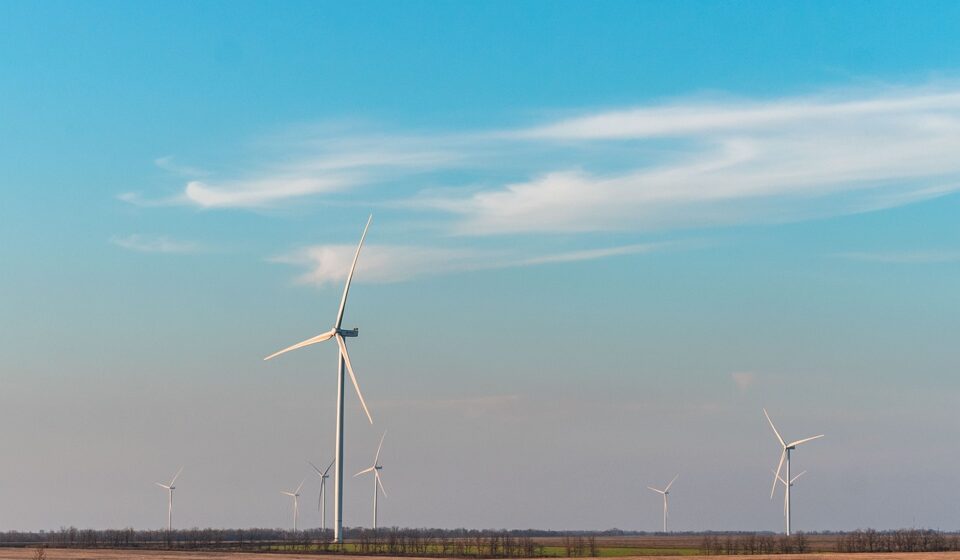
a[data-rs-seo-link]{text-decoration:underline!important;color:#1a56db!important;cursor:pointer!important;}a[data-rs-seo-link]{text-decoration:underline!important;color:#1a56db!important;cursor:pointer!important;}
Why renewable energy needs practical integration solutions
Renewable energy growth is no longer just a question of adding generation. Solar, wind, hydropower, geothermal, biomass, batteries, smart controls, and efficiency upgrades can all reduce dependence on fossil fuels, but they deliver the best results when planned as part of one energy system. The core challenge is operational: renewable output, customer demand, grid capacity, and local rules do not always align at the same time.
Recent public data shows why integration now matters. The International Energy Agency reported that global renewable capacity additions reached about 800 gigawatts in 2025, with solar PV accounting for more than three-quarters of new renewable capacity and wind supplying most of the remainder. In the United States, the Energy Information Administration reported that renewables supplied about 24% of utility-scale electricity generation in 2025, while wind and solar together reached a record share. These figures point to a new phase of the energy transition. The task is not only to build renewable assets, but to make them flexible, resilient, and efficient in real operating conditions. You can also explore more in Efficiency Guides.
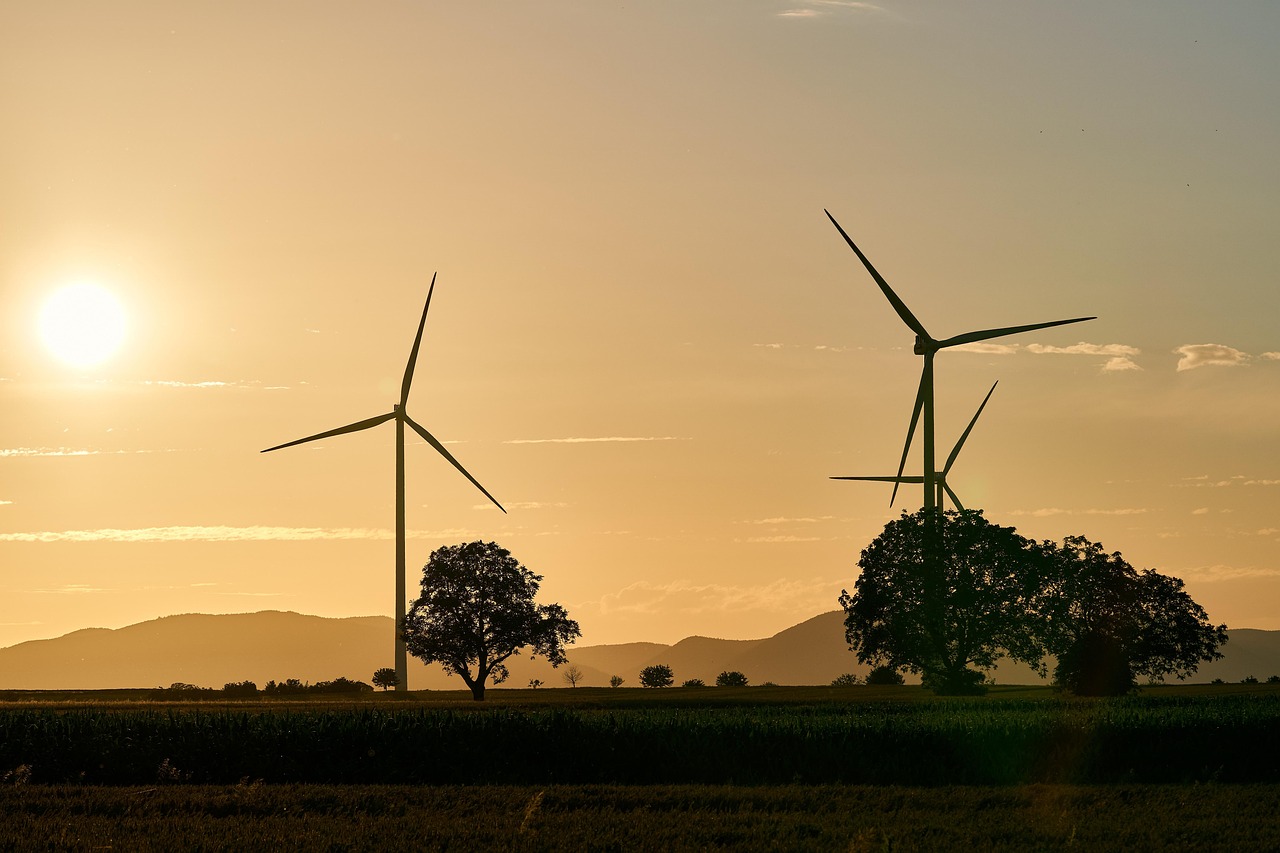
This guide focuses on practical options for homes, businesses, communities, and project planners. For more related energy-saving topics, visit our Efficiency Guides.
The main barriers renewable energy systems must solve
Renewable energy systems face different constraints at different scales. A home with rooftop solar may focus on bill savings, backup power, and utility interconnection rules. A commercial building may need predictable operating costs and better demand-charge management. A utility-scale project may depend on transmission access, dispatchability, and compliance with grid codes. In most cases, the barriers fall into a few common categories.
Variable generation
Solar output changes with daylight, cloud cover, and seasonal patterns. Wind output varies with weather systems and local resource conditions. This does not make solar or wind unreliable by default, but it does mean they need forecasting, balancing resources, storage, flexible demand, or complementary generation to meet demand at the right time.
Grid connection and transmission limits
Many renewable projects are built where the resource is strong, not necessarily where electricity demand is concentrated. Grid connection delays, local distribution constraints, and transmission congestion can slow deployment or reduce the amount of clean power that reaches customers. The U.S. Department of Energy has identified grid modernization, advanced software, storage, microgrids, and distributed energy resources as important tools for managing a more complex power system.
Timing mismatch between supply and demand
Renewable generation can be abundant when demand is moderate, and limited when demand rises. Solar production may be strongest in the middle of the day, while residential demand often rises in the evening. Wind can produce heavily at night in some regions. Without flexibility, this mismatch can lead to curtailment, higher balancing costs, or continued reliance on fossil-fueled peaking plants.
Financing and policy uncertainty
Renewable technologies have matured, but project economics still depend on financing costs, incentives, permitting rules, supply chains, utility tariffs, and market design. A technically sound solution can fail commercially if it ignores interconnection costs, demand charges, maintenance needs, or local code requirements.
Core solutions for renewable energy systems
The most effective renewable energy strategies usually combine several solutions instead of relying on one technology. The right mix depends on load profile, climate, utility rates, available space, resilience goals, and budget.
Solar PV and wind matched to local resources
Solar and wind remain the two fastest-scaling renewable electricity sources globally. Solar PV is modular, works at residential, commercial, and utility scale, and can often be installed close to where power is used. Wind generally performs best at utility or community scale, although small wind can work in specific rural or off-grid locations with verified wind resources. The planning principle is to size generation around measured demand and realistic production estimates, not simply around the maximum roof area or land area available.
Battery storage for short-duration flexibility
Batteries help shift electricity from periods of high renewable production to periods of higher demand. At home and small business scale, batteries can support backup power, solar self-consumption, and time-of-use bill management. At grid scale, batteries can provide fast response, frequency support, peak shaving, and congestion relief. They are especially useful for short-duration needs measured in minutes to several hours.
Pumped hydropower and long-duration storage
Not every storage need can be met economically with lithium-ion batteries. The IEA has described pumped hydropower as a mature option for longer-duration flexibility over days to weeks, while thermal storage and hydrogen may become relevant for longer time scales in specific applications. These solutions are more site-specific than batteries, but they matter for grids with high renewable shares and prolonged periods of low wind or solar output.
Demand response and flexible loads
Demand response reduces or shifts electricity use when the grid is under stress or when renewable output is limited. Examples include pre-cooling buildings before peak hours, scheduling industrial processes during low-cost renewable periods, or delaying EV charging until solar or wind generation is more available. This is often overlooked because it reduces the need for new supply-side capacity without requiring a new power plant.
Microgrids for resilience
A microgrid combines local generation, storage, controls, and loads within a defined area. It can operate connected to the main grid and, in some designs, separate temporarily during outages. Hospitals, campuses, military facilities, remote communities, farms, and critical infrastructure sites often consider microgrids because they value resilience as well as clean power. The strongest microgrid designs start with efficiency first, then add generation, storage, and controls.
Virtual power plants
Virtual power plants aggregate many distributed resources, such as rooftop solar, batteries, smart thermostats, water heaters, and EV chargers, so they can operate like a coordinated grid resource. The Department of Energy has described VPPs as a way to improve flexibility as electricity demand grows and more renewable generation enters the grid. For consumers, participation may depend on utility programs, device compatibility, compensation rules, and privacy preferences.
Efficiency first: the lowest-risk renewable energy strategy
Energy efficiency is not always marketed as a renewable energy solution, but it is one of the most practical ways to make renewables work better. Every kilowatt-hour avoided through insulation, efficient HVAC, LED lighting, smart controls, motor upgrades, or building commissioning reduces the amount of renewable generation and storage needed to serve the same function.
For homes, efficiency steps may include air sealing, attic insulation, heat pump water heaters, high-efficiency heat pumps, smart thermostats, and ENERGY STAR appliances. For businesses, opportunities often include building automation, variable-speed drives, refrigeration optimization, lighting controls, power factor correction, and energy monitoring. These measures can improve the economics of solar and storage because the system can be sized around a lower, better-managed load. See also: Buying Guides.
Efficiency also helps with electrification. If a building switches from fossil fuel heating to an electric heat pump, total electricity demand may rise. A well-insulated building with efficient equipment will need less renewable capacity and smaller backup systems than a leaky building with unmanaged loads. In that sense, efficiency is not separate from renewable planning; it is the foundation that makes renewable systems more affordable and resilient.
How to choose the right renewable energy solution
Choosing among renewable energy options should begin with the problem being solved. A household seeking lower bills has different priorities than a warehouse trying to manage peak demand or a community seeking outage resilience. The table below summarizes common needs and practical responses.
| Goal | Useful solutions | Key limitation to check |
|---|---|---|
| Lower electricity bills | Efficiency upgrades, rooftop solar, time-of-use optimization | Utility rates, net billing rules, roof condition, shading |
| Backup power | Battery storage, solar-plus-storage, microgrid controls | Critical load size, outage duration, battery capacity |
| Reduce peak demand charges | Battery dispatch, demand response, load scheduling, controls | Tariff structure and peak measurement window |
| Use more onsite renewable energy | Solar PV, storage, flexible EV charging, smart water heating | Daily load shape and available installation space |
| Improve community resilience | Microgrids, shared storage, critical facility solar, demand flexibility | Ownership model, controls, islanding rules, maintenance |
| Support a cleaner grid | VPP participation, demand response, efficient electrification | Program availability and device compatibility |
A practical evaluation should include at least five steps. First, review historical energy use in hourly or monthly detail. Second, reduce waste through efficiency improvements. Third, estimate renewable production using credible local resource data. Fourth, compare storage and load-flexibility options. Fifth, review interconnection, permitting, incentive, and maintenance requirements before committing capital.
For larger projects, planners should also study curtailment risk, transmission availability, land-use constraints, environmental review, equipment warranties, cybersecurity for controls, and long-term operations. These factors may not appear in a simple payback calculation, but they can determine whether a renewable system performs as expected over its lifetime.
What current data suggests about the next phase
The latest public energy data points in a clear direction: renewable energy is scaling quickly, but integration is now a decisive issue. In 2025, global renewable capacity additions continued to rise, led by solar PV. In the United States, wind and solar reached record generation levels, while batteries, distributed solar, and flexible demand became more important to grid planning.
Higher renewable penetration also makes power-system planning more detailed. Weather-driven generation patterns, evening peaks, local grid congestion, and long interconnection queues can all affect outcomes. This is why credible energy organizations increasingly discuss storage, transmission, grid-enhancing technologies, flexible loads, and VPPs alongside solar and wind deployment.
The practical takeaway is that the most durable solutions for renewable energy will be integrated solutions. A solar-only project can reduce energy purchases, but solar plus efficiency, smart controls, and storage can address more of the customer’s real needs. A utility-scale wind or solar project can add clean generation, but its value rises when the grid has transmission, forecasting, flexible demand, and storage to use that output effectively.
Frequently asked questions
What is the most practical renewable energy solution for a home?
For many homes, the practical starting point is efficiency, followed by rooftop solar if the roof, shading, local tariffs, and ownership plans make sense. Battery storage becomes more attractive when the household needs backup power, faces time-of-use rates, or wants to use more onsite solar during evening hours.
Are batteries required for renewable energy?
No. Renewable systems can operate without batteries, especially when connected to a strong grid. Batteries become more valuable as renewable output grows, peak pricing increases, backup power becomes a priority, or customers want to shift solar energy into evening use.
How do microgrids differ from backup generators?
A backup generator is usually a single source of emergency power. A microgrid is a coordinated local energy system that may include solar, storage, generators, controls, and flexible loads. A well-designed microgrid can improve resilience while reducing fuel use, but it requires more planning and operational oversight.
What role do electric vehicles play in renewable energy?
EVs increase electricity demand, but they can also add flexibility. Smart charging can shift demand toward hours with more renewable generation or lower grid stress. In some programs, bidirectional charging may eventually allow EV batteries to support buildings or the grid, although availability depends on vehicles, chargers, utility rules, and market design.
What should businesses check before investing in solar or storage?
Businesses should review interval energy data, demand charges, roof or land conditions, interconnection rules, tax and incentive eligibility, maintenance responsibilities, and how long they expect to occupy the facility. A system that looks attractive on annual energy use alone may underperform if it does not address peak demand or operational constraints.
Bottom line
The strongest renewable energy strategies are not single-product decisions. They combine clean generation, efficiency, storage, flexible demand, modern controls, and realistic grid planning. Solar and wind will continue to supply a growing share of electricity, but the systems that deliver the most value will be designed around when energy is produced, when it is needed, and how reliably it can be delivered.