A practical guide to charging products for homes, workplaces, and public sites

a[data-rs-seo-link]{text-decoration:underline!important;color:#1a56db!important;cursor:pointer!important;}a[data-rs-seo-link]{text-decoration:underline!important;color:#1a56db!important;cursor:pointer!important;}
Choosing charging products is now an infrastructure decision, not just a purchase of a wall box or cable. EV owners, property managers and charging site planners need equipment that matches how vehicles are actually used: where they park, how long they stay, who pays for energy and how the site will be maintained. The first filter is still Level 1, Level 2 or DC fast charging. A better evaluation also covers connector compatibility, safety certification, energy efficiency, load management, network software and long-term serviceability. The International Energy Agency reported in its Global EV Outlook 2026 that electric car sales exceeded 20 million globally in 2025 and are expected to keep growing in 2026. That growth is moving charger selection into mainstream building, fleet and public-site planning. For more related industry coverage, visit our charging equipment section.
What charging products actually include
In everyday use, almost any device connected to an EV is called a charger. Technically, many AC products are electric vehicle supply equipment, or EVSE. They safely supply AC power, while the vehicle’s onboard charger converts that power into DC for the battery. DC fast charging products handle the conversion outside the vehicle and deliver DC power directly to the battery system, within the limits set by the vehicle.
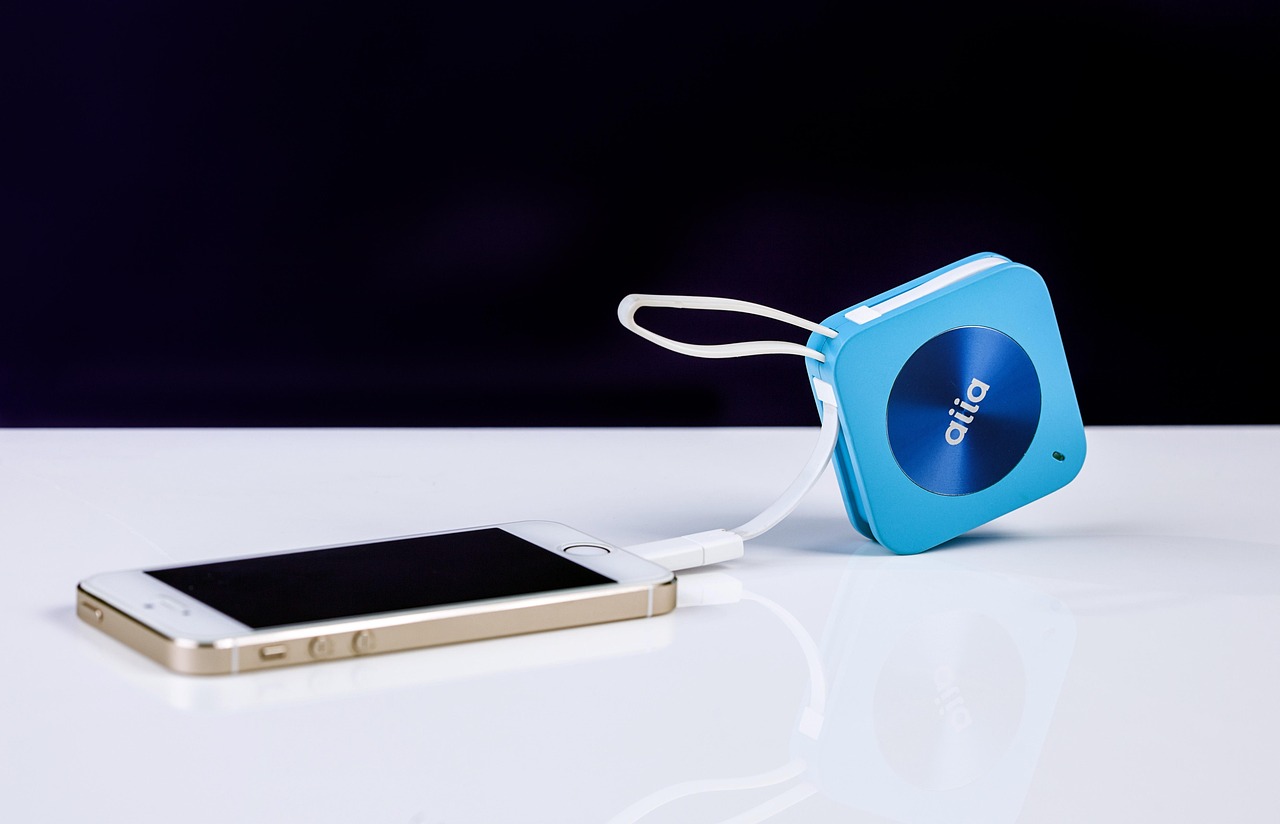
A complete charging product stack may include the wall-mounted or pedestal unit, connector and cable, mounting hardware, circuit protection, communications module, payment terminal, access control, energy meter, cloud software, mobile app, maintenance tools and, in some DC systems, a separate power cabinet. For public and fleet sites, the product is not only the hardware at the parking space. It is also the network that reports status, manages pricing, authenticates drivers, updates firmware and helps operators respond when a port is down.
That is why comparing products only by maximum kilowatts can be misleading. A 48-amp Level 2 unit with effective load management may serve an apartment garage better than a higher-power unit that triggers an electrical service upgrade. A 350 kW DC fast charger may be appropriate on a highway corridor, but only if the grid connection, site layout, cooling, cable handling, connector mix and maintenance plan can support it.
Compare Level 1, Level 2 and DC fast charging products
The U.S. Department of Energy’s Alternative Fuels Data Center describes three common charging categories: Level 1, Level 2 and DC fast charging. The figures below are planning ranges, not guaranteed performance. Actual charging speed depends on the vehicle, battery state of charge, temperature, available site power and charger settings.
| Product type | Typical power source | Approximate charging result | Best fit | Main limitation |
|---|---|---|---|---|
| Level 1 AC | 120 V outlet | About 2 to 5 miles of range per hour | Plug-in hybrids, low-mileage drivers, emergency or temporary charging | Slow for fully depleted battery EVs |
| Level 2 AC | 208 V or 240 V service | About 10 to 30 miles of range per hour | Homes, workplaces, multifamily parking, hotels and destination charging | May require panel capacity, permits and professional installation |
| DC fast charging | Higher-power commercial electrical service | Often 100 to 200+ miles in about 30 minutes, when the vehicle can accept it | Highway corridors, retail charging hubs, fleets and high-turnover public sites | Higher capital cost, utility coordination, maintenance and demand-charge exposure |
Level 1 products are simple and inexpensive where a safe outlet is already available, but they are rarely sufficient for drivers who rely on a battery electric vehicle every day. Level 2 is the workhorse category because most vehicles spend hours parked at home, at work or at destinations. DC fast charging solves a different problem: delivering energy quickly when dwell time is short.
The product decision should start with dwell time. If a car is parked for eight to twelve hours, Level 2 can be more cost-effective than overbuilding fast charging. If a driver has only fifteen to thirty minutes, Level 2 will not provide the expected experience, even when the hardware is dependable.
Connector compatibility is now a strategic choice
Connector selection has become one of the most important charging product decisions in North America. Level 1 and Level 2 AC charging have historically relied heavily on SAE J1772 for non-Tesla vehicles, while Tesla vehicles used what is now widely known as NACS. Public DC fast charging has included CCS, CHAdeMO and NACS connectors, with CHAdeMO becoming less central for new North American deployments.
The market shifted after automakers and charging networks began moving toward NACS, and SAE International formalized the connector family through the J3400 standard. SAE lists the J3400 recommended practice as issued in December 2023 and revised on September 30, 2024. Standardization matters because it helps move NACS from a proprietary ecosystem toward a broader industry interface.
Buyers should still avoid assuming that the transition is complete. A public site serving today’s vehicle mix may still need CCS access, while a site planned for future traffic may prioritize J3400 readiness. The Federal Highway Administration’s 2023 NEVI final rule originally centered minimum DC fast charging requirements around CCS Type 1, and FHWA later sought information on J3400 integration as the market shifted. The practical takeaway is clear: evaluate charging products for present compatibility, adapter policy, cable reach, physical accessibility and upgrade path.
Safety and installation should come before premium features
Good charging products start with electrical safety. The DOE advises that charging equipment should comply with local, state and national codes and usually requires a licensed electrical contractor for installation. Local permitting authorities may also require plans, inspections and code compliance before a charger is energized.
For product evaluation, look for certification by a nationally recognized testing laboratory. UL standards commonly associated with EV charging equipment include UL 2594 for electric vehicle supply equipment and UL 2202 for EV charging system equipment. Certification is not a cosmetic label; it shows that the product has been evaluated against defined safety requirements.
Installation details are just as important as the device itself. A site should verify panel capacity, continuous load requirements, breaker sizing, conduit route, cable management, mounting height, vehicle impact protection, weather rating and ventilation where applicable. Outdoor products should be rated for the environment where they will operate. Public and workplace sites also need lighting, signage, accessible parking design and a layout that keeps cables from becoming trip hazards.
Hardwired Level 2 products can reduce plug and receptacle wear in high-use settings. Plug-in units may be convenient for residential flexibility if the outlet and circuit are properly installed. Neither approach is automatically better. The right choice depends on duty cycle, code requirements, inspection expectations and whether the unit is likely to be moved.
Smart charging features that are worth comparing
Smart features are valuable when they solve a real operating problem. The most useful functions usually fall into five categories: cost control, access control, load control, reliability monitoring and data visibility.
- Scheduling and time-of-use charging: Helps drivers or site operators shift charging into lower-cost utility periods when available.
- Dynamic load management: Allows multiple ports to share available electrical capacity instead of requiring every port to draw maximum power at the same time.
- Access control: Supports RFID cards, mobile apps, PIN codes or restricted user groups for workplaces, apartments and fleets.
- Remote monitoring: Lets operators see port status, fault codes and energy delivered without visiting the site.
- Open communications: Protocol support, API access and interoperability can reduce the risk of being locked into one vendor for the life of the equipment.
For public charging, payment reliability is also part of the product. A station with a working power module but a failed screen, card reader or network connection can still frustrate users. For fleets, depot energy management may matter more than public payment. For multifamily housing, billing allocation and user permissions may be more important than maximum amperage. See also: Buying Guides.
ENERGY STAR states that certified Level 1 and Level 2 AC chargers use less energy in standby mode than non-certified products, and it also evaluates certain DC fast charging products for active charging efficiency. Standby performance matters because many chargers remain powered while not actively charging for long periods. Across a large portfolio, small idle losses can become a meaningful operating cost.
Reliability and total cost matter more than the sticker price
Charging products should be judged by total cost of ownership, not purchase price alone. Hardware cost is only one line item. Site design, trenching, utility upgrades, switchgear, networking fees, software subscriptions, warranties, maintenance contracts, replacement cables, payment processing and electricity demand charges can all affect the economics.
Reliability expectations are rising as well. The FHWA’s NEVI final rule, effective March 30, 2023, set minimum standards for federally funded charging infrastructure and required each charging port to achieve average annual uptime greater than 97 percent. The same rule addressed installation, operation, maintenance, interoperability, network connectivity, data reporting and consumer information such as location, pricing and real-time availability.
Even when a project is not federally funded, those requirements provide a useful benchmark for evaluating product maturity. A reliable product should support fault detection, clear error reporting, remote resets, firmware updates, spare-part availability and defined service response targets. For public fast charging, redundancy is especially important. A single-port site can create a failed trip when one component breaks or one vehicle occupies the only charger.
The practical question is not only, “How fast is it?” Buyers should also ask, “How often will it work, for which vehicles, under which site constraints, and who fixes it when it does not?” That question separates a product specification from an operating charging asset.
How to match charging products to the site
Different sites need different charging products. A simple matching framework can help avoid overbuying in one location and underbuilding in another.
- Single-family homes: Level 2 AC is often the most useful upgrade for full battery EVs, while Level 1 may be enough for plug-in hybrids or low-mileage use. Smart scheduling can help align charging with utility rates.
- Multifamily housing: Load management, assigned-user billing, durable cable handling and scalable electrical design are often more important than the highest individual port output.
- Workplaces: Level 2 products can serve employees during long dwell times. Access control and clear charging policies help prevent ports from being blocked all day after charging is complete.
- Retail and hospitality sites: The right product depends on visit length. Restaurants, hotels and shopping centers may use Level 2 for destination charging, while highway-adjacent retail may need DC fast charging to attract travelers.
- Fleets: Depot charging should be planned around routes, return times, battery size, utility tariffs and vehicle dispatch. Managed charging can reduce peak load and avoid unnecessary infrastructure oversizing.
- Highway corridors: DC fast charging products need strong uptime, visible pricing, multiple ports, connector compatibility and enough site power to serve several vehicles without excessive queuing.
The best product is the one that fits the charging session. A driver parked overnight does not need the same equipment as a driver stopping during a road trip. A property owner serving residents does not have the same requirements as a corridor operator serving unknown vehicles around the clock.
Frequently asked questions
Are charging products the same as EV chargers?
Not exactly. “EV charger” is the common phrase, but many AC products are EVSE that safely supply power while the vehicle’s onboard charger manages AC-to-DC conversion. DC fast charging products include off-board power electronics that deliver DC energy directly to the vehicle battery system.
Is Level 2 charging enough for most EV drivers?
For many home, workplace and destination settings, yes. DOE planning ranges show Level 2 can add about 10 to 30 miles of range per hour, which is often enough when vehicles are parked for several hours. Drivers who take frequent long trips or operate high-mileage fleets may also need access to DC fast charging.
Should buyers choose CCS or NACS charging products?
The answer depends on the vehicles being served and the expected life of the site. CCS remains important for many EVs already on the road, while NACS has gained strong momentum through SAE J3400 standardization and automaker adoption plans. Public sites should verify local vehicle mix, funding rules and upgrade options before choosing a connector strategy.
What feature is most important for public charging products?
Reliability is usually the most important feature. Power level matters, but a high-power charger that is offline, hard to activate or incompatible with the vehicle does not solve the driver’s problem. Public charging products should be evaluated for uptime, payment usability, cable reach, network monitoring and service support.
Do energy-efficient chargers make a difference?
Yes, especially across many ports. ENERGY STAR notes that certified AC chargers reduce standby energy use compared with standard products. Because chargers may spend much of their time powered but not actively charging, standby performance can affect long-term operating cost and energy waste.