How to choose a solar roof vent fan for a vented attic

a[data-rs-seo-link]{text-decoration:underline!important;color:#1a56db!important;cursor:pointer!important;}a[data-rs-seo-link]{text-decoration:underline!important;color:#1a56db!important;cursor:pointer!important;}
Quick answer
A solar roof vent fan is worth considering for a hot, vented, unconditioned attic that has enough low intake ventilation, a well-sealed attic floor, and a roof area with strong sun exposure. It is a weaker first choice if the goal is simply to cut cooling bills, because a fan can pull conditioned indoor air into the attic when the ceiling plane is leaky or soffit vents are blocked. A better buying sequence is to inspect the attic, confirm the intake and exhaust paths, seal air leaks, and then compare fan size, solar panel output, controls, flashing design, and warranty terms. For more homeowner-focused product explainers, visit our Buying Guides section.
What it does and what it does not do
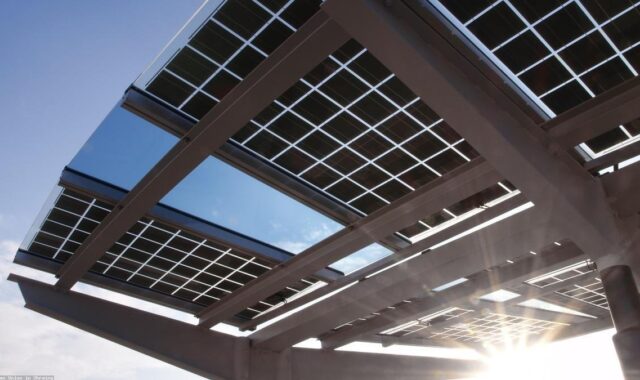
A solar roof vent fan is a powered attic ventilator mounted on the roof deck. A small photovoltaic panel supplies power to a fan that exhausts attic air outdoors, usually through a weatherproof dome or low-profile housing. In sunny weather, the fan helps replace hot attic air with outdoor air entering through soffit, eave, or other intake vents.
That is different from a whole-house fan. A whole-house fan is designed to pull air from the living space and exhaust it into or through the attic. A solar roof vent fan should ventilate the attic only. It should not be used to remove bathroom humidity, kitchen exhaust, dryer air, or indoor pollutants.
The benefits are narrower than many product listings suggest. A fan may reduce peak attic temperature, limit heat stress on stored items, and support roof-deck moisture management when the attic is already built as a vented assembly. It does not replace insulation, seal air leaks, repair disconnected ducts, or fix a roof with poor intake. ENERGY STAR guidance continues to put attic air sealing and insulation near the top of practical home energy upgrades, while Building America guidance treats attic performance as an assembly issue rather than a single-product choice.
Pre-buy attic checks that matter more than wattage
Confirm that the attic is meant to be vented
Before selecting a fan, identify the attic type. Many traditional U.S. homes have vented, unconditioned attics, with insulation on the attic floor and outdoor air moving below the roof deck. These are the attics where a roof-mounted solar ventilator may be appropriate.
If the attic is sealed, spray-foamed at the roof deck, or intentionally conditioned as part of the living envelope, do not add a roof exhaust fan without a building professional’s review. In an unvented attic assembly, the roof deck and insulation are designed to manage heat and moisture without outdoor attic airflow. Cutting in a roof fan can interfere with that design.
Check intake before adding exhaust
A fan cannot move air effectively unless replacement air can enter. Model residential codes such as the International Residential Code size attic ventilation by net free ventilating area, often discussed as 1 square foot of net free area per 150 square feet of attic area, or 1 per 300 when specific balance and placement conditions are met. Local code adoption varies, but the underlying principle is consistent: intake and exhaust should be planned together.
The Home Ventilating Institute has also published guidance for powered attic ventilators that calls for generous open inlet area, commonly expressed as 1 square foot of free opening per 300 CFM of fan capacity. This matters because many vent grilles look large from the outside but provide much less open area after louvers, screens, paint, dust, and insulation blockage are considered.
Seal the ceiling plane first
A solar fan creates negative pressure in the attic. If the attic floor has gaps around recessed lights, plumbing stacks, top plates, duct chases, attic hatches, or dropped soffits, the fan may pull cooled indoor air upward instead of drawing outdoor air from the soffits. ENERGY STAR specifically warns that attic fans can suck conditioned air from the house when soffit vents are blocked and the attic is not well sealed.
This does not mean every attic fan is a poor choice. It means the fan should come after basic building-science checks. In many homes, sealing attic air leaks and improving insulation provides more predictable comfort and energy value than installing powered exhaust first.
How to compare solar roof vent fan models
Once the attic is a suitable candidate, compare models using more than headline CFM. Manufacturer airflow ratings may be measured under favorable conditions. Real airflow depends on solar exposure, panel angle, available intake, screen resistance, roof temperature, and how clean and open the vents remain over time.
| Buying factor | What to check | Why it matters |
|---|---|---|
| Airflow rating | Look for rated CFM and the conditions behind the rating. | Higher CFM is not automatically better when intake area is limited. |
| Solar panel output | Compare panel wattage, placement, and whether the panel is integrated or remote. | A shaded or poorly angled panel can reduce fan runtime and speed. |
| Controls | Check thermostat, humidistat, on/off switch, and optional battery backup. | Controls help avoid unnecessary operation and may improve moisture response. |
| Roof flashing | Review metal flashing, curb design, underlayment compatibility, and installation details. | The roof penetration is often the highest-risk part of the purchase. |
| Motor and housing | Compare brushless motors, corrosion-resistant materials, pest screens, and service access. | Attic heat, storms, insects, and roof exposure can shorten product life. |
| Warranty terms | Separate fan, motor, solar panel, and leak-related coverage. | Long coverage is useful only when exclusions and installation requirements are realistic. |
A simple sizing check is useful. If a fan is rated at 800 CFM, the HVI-style inlet rule suggests roughly 2.7 square feet of free opening for that fan alone, because 800 divided by 300 equals 2.67. That means free opening, not the outside dimensions of a vent grille. If the attic cannot supply that air through low intake, the fan may pull from nearby roof vents, ridge vents, or ceiling leaks.
Solar panel configuration is another practical difference. Integrated-panel fans are compact and usually simpler to install, but the panel faces the same direction as the roof slope. Remote-panel models can sometimes be aimed toward stronger sun while the fan remains in the preferred roof location. Battery backup can extend runtime after clouds or sunset, but it adds cost, components, and future replacement considerations.
Roof-mounted, gable-mounted, and passive alternatives
A roof-mounted solar fan is only one way to ventilate an attic. It is most useful when high passive exhaust is inadequate or difficult to improve, the roof has suitable sun exposure, and a properly flashed penetration is acceptable. In some homes, a gable-mounted solar fan avoids a new roof-deck penetration, although airflow may be less evenly distributed when the attic shape is complex. See also: Charging Equipment.
| Option | Where it fits | Main limitation |
|---|---|---|
| Solar roof vent fan | Sunny vented attics needing powered exhaust near the upper roof. | Requires a roof penetration and adequate low intake. |
| Solar gable fan | Attics with usable gable vents and a preference to limit roof work. | Can short-cycle between gable openings instead of washing the roof deck evenly. |
| Ridge and soffit vents | Homes suited to continuous passive high-low airflow. | May require roofing work and clear soffit pathways. |
| Turbine or static vents | Simple passive or wind-assisted exhaust applications. | Performance depends on wind, placement, and available intake. |
Be cautious when mixing a powered roof fan with existing ridge vents. If the fan is close to a ridge vent, it may draw air from the ridge instead of from the soffits. That can leave lower roof areas poorly washed with airflow and reduce the value of both systems. A roofer or energy auditor can help decide whether certain vent combinations should be closed, relocated, or avoided.
Installation risks and situations to avoid
The product is only as reliable as the installation. A roof fan should be placed high enough to exhaust hot attic air, but not so close to other exhaust openings that it short-circuits. The installer should maintain roof underlayment continuity, use flashing suited to the roofing material, follow the manufacturer’s slope limits, and avoid cutting structural members. On asphalt shingle roofs, poor flashing can create leaks that cost more than the fan.
Also check whether the roof is under warranty, whether solar panels or future reroofing plans affect placement, and whether an HOA rule or local permit applies. In coastal, wildfire-prone, hail-prone, or high-wind regions, housing material, ember resistance, screen design, and fastening details deserve closer review.
In these situations, it may be better to wait or choose another upgrade:
- The attic is unvented, conditioned, or insulated at the roof deck.
- Soffit vents are blocked by insulation, paint, dust, or missing baffles.
- The ceiling plane has obvious air leaks that have not been sealed.
- Leaky HVAC ducts or an air handler sit in the attic and have not been tested.
- Natural-draft combustion appliances could be affected by pressure changes in the home.
- The roof plane is shaded for much of the day.
- The main problem is bathroom or kitchen exhaust dumping into the attic, which must be corrected directly.
- The purchase depends on a guaranteed energy-bill payback that the seller has not documented for your home.
Older monitoring work from the Florida Solar Energy Center found that photovoltaic attic ventilators can affect attic conditions, but energy savings vary with home design, duct location, air leakage, weather, and existing ventilation. That is still the practical takeaway: a solar roof vent fan is one component, not a complete attic strategy.
Frequently asked questions
Will a solar roof vent fan lower my air conditioning bill?
It may help in some homes, especially hot-climate houses with vented attics and HVAC ducts located in the attic. It is not a dependable standalone bill-reduction measure. Air sealing, insulation, duct sealing, and balanced passive ventilation usually deserve attention first.
Does a solar attic fan work at night?
A standard solar fan runs when the panel receives enough sunlight. It slows during cloudy periods and stops at night. Models with battery backup or hybrid power can operate beyond direct sun, but those features add cost and maintenance considerations.
How many solar roof vent fans do I need?
Start with attic square footage, attic volume, existing net free vent area, and the fan’s CFM rating. Adding multiple fans without enough intake can make pressure problems worse. If calculations show inadequate intake, improve soffit or eave ventilation before adding more exhaust.
Can I install a solar roof vent fan with ridge vents?
Sometimes, but it must be planned carefully. A powered fan placed near a ridge vent may pull air from the ridge instead of from low intake vents. That can reduce effective attic ventilation. A balanced soffit-to-ridge passive system may be better left passive unless a professional identifies a clear reason for powered exhaust.
What is the most important feature to look for?
For many homes, the key issue is not the fan alone but the match between fan CFM, available intake, and roof flashing quality. After that, compare solar panel exposure, controls, motor durability, warranty terms, and whether the model can be serviced without major roof work.