How to choose solar powered outdoor lights for paths, patios and security
a[data-rs-seo-link]{text-decoration:underline!important;color:#1a56db!important;cursor:pointer!important;}a[data-rs-seo-link]{text-decoration:underline!important;color:#1a56db!important;cursor:pointer!important;}
What solar powered outdoor lights can and cannot do
Solar powered outdoor lights are a practical option for paths, patios, garden beds, steps, gates, sheds and low-to-moderate security lighting when running wiring would be inconvenient or expensive. They perform best when the solar panel receives direct sun for much of the day, the light output is matched to a specific task, and the battery is sized for the expected run time. They are not a universal replacement for hardwired floodlights, code-required lighting or high-output area lighting in shaded locations. A good buying decision starts with the job the light must do, not with the number of fixtures in a box.
For readers comparing solar fixtures with other home energy products, the Solar Products section is a useful place to continue exploring related topics.
How solar outdoor lights work
Most residential solar outdoor lights combine four basic parts: a small photovoltaic panel, a rechargeable battery, control electronics and an LED light source. During the day, the panel converts sunlight into direct-current electricity and charges the battery. At night, a photocell or controller turns the LED on automatically, often with support from a timer, motion sensor or selectable brightness mode.
This simple design is why solar powered outdoor lights are easy to install. Many path lights push into soil, string lights clip to a pergola or fence, and wall lights mount with screws. Because the fixture is not tied to a household lighting circuit, placement is flexible. The trade-off is that performance depends on sun exposure, battery condition, temperature and the efficiency of the LED module.
The U.S. Department of Energy explains that photovoltaic materials convert sunlight into electrical energy, while its lighting guidance notes that modern LEDs can use far less energy than incandescent lamps. That combination makes solar lighting viable for many outdoor tasks, especially where the required light level is modest or intermittent.
Match the fixture type to the job
Solar lights are often marketed as decorative, security or landscape products, but those labels are not specific enough for a buying decision. A path marker and a motion security light may both be solar powered, yet they solve very different problems. Before comparing prices, define the location, the purpose of the light and how much darkness you can accept late at night.
| Use case | Suitable solar light type | What to check before buying |
|---|---|---|
| Walkways and garden paths | Stake lights, bollards or low path lights | Downward light distribution, spacing, warm color temperature and replaceable batteries |
| Steps, gates and side yards | Compact wall lights or step lights | Panel exposure, motion sensing, wet-location suitability and mounting height |
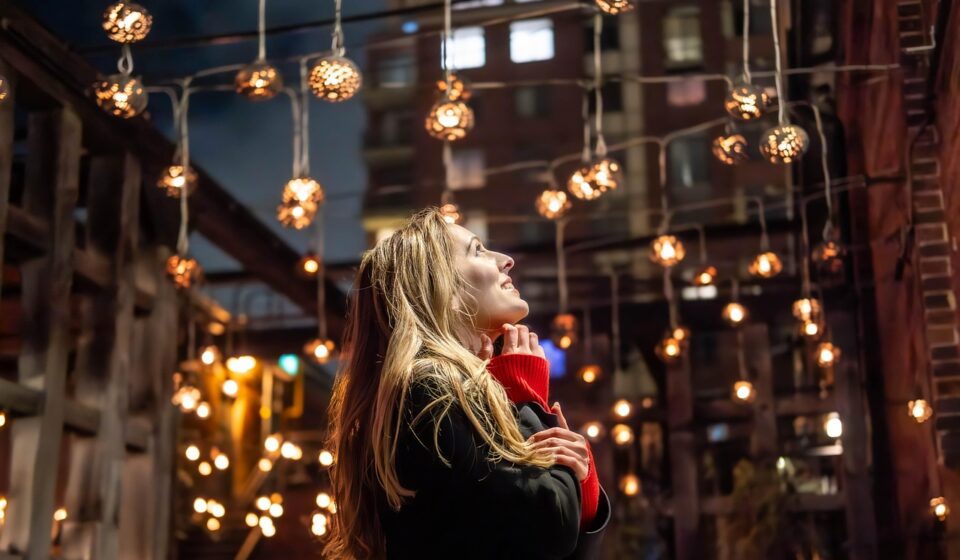
| Patios and pergolas | String lights, lanterns or low-output area lights | Run time, dimming modes, warm appearance and whether the panel can be aimed toward the sun |
| Driveways and sheds | Motion-activated wall or flood lights | Separate solar panel option, sensor range, adjustable heads and battery capacity |
| Accent landscaping | Spotlights or small uplights | Beam angle, shielding, brightness control and whether the light creates glare |
Path and accent lights usually need less output than shoppers expect. Too much light can flatten the landscape, cause glare and spill into neighboring properties. Security lights need more output, but they do not need to run at full power all night if a motion sensor can raise brightness only when movement is detected.
Buying specifications that actually matter
Brightness and beam pattern
Brightness is usually described in lumens, but lumens alone do not tell the full story. A low-lumen fixture with a well-directed beam may be more useful than a brighter fixture that scatters light sideways. For paths, look for fixtures that send light down and slightly outward. For doors and gates, choose a beam that covers the approach without shining directly into eyes or windows.
Be cautious with vague phrases such as “super bright” or “stadium style” when the product listing does not clearly state lumen output, beam angle or lighting modes. In residential outdoor spaces, controlled light is often more useful than maximum light.
Battery capacity and run time
Run time claims usually assume a full daytime charge. Cloudy weather, winter sun angles, shade from trees, dust on the panel and cold temperatures can reduce actual performance. A fixture advertised for eight hours may not deliver that result every night in every season.
Look for practical clues in the listing: battery type, battery capacity, whether the battery can be replaced, and whether the fixture offers low, medium and motion-boost modes. Replaceable batteries can extend product life because battery wear is one of the most common reasons small solar lights decline after repeated charge cycles.
Panel size and placement
A small integrated panel is convenient, but it can limit performance if the fixture must be placed in shade. For north-facing walls, covered porches, wooded paths or the side of a shed, a solar light with a separate panel connected by a cable may be a better choice. The panel can be installed where it receives sun while the light sits where illumination is needed.
As a rule of thumb, prioritize clear southern exposure in the United States when possible, then adjust for local shade patterns. Morning sun may not be enough for all-night operation, while several hours of strong midday and afternoon sun generally support more reliable charging.
Weather rating and safety marking
Outdoor fixtures face water, heat, ultraviolet exposure, dust, wind and freeze-thaw cycles. UL Solutions describes outdoor and landscape lighting as a category that includes line-voltage, low-voltage and photovoltaic battery-powered luminaires, with wet-location requirements applying to products designed for direct weather exposure. For shoppers, the practical takeaway is straightforward: use the product only in the location for which it is marked.
A damp-location rating is not the same as suitability for direct rain. A fixture under a fully covered porch has different exposure than one mounted on an open fence post. If a product uses an IP rating, the first digit relates to solid-particle protection and the second to water protection. An IP rating can be helpful, but it should not replace clear outdoor-use and wet-location information when the fixture will be exposed to rain.
Color temperature and nighttime comfort
Color temperature affects both appearance and comfort. Warm white light, commonly around 2700K to 3000K, usually looks softer in residential landscapes than cool white light. DarkSky International’s home lighting guidance encourages warmer outdoor lighting, shielding, lower light levels and controls such as timers or motion sensors. These principles matter for solar lights because low-cost fixtures sometimes compensate for small size with harsh, glaring light.
For patios, paths and gardens, warm light is generally easier on the eyes and less visually disruptive. Cooler light may appear brighter, but it can create a harsher look and increase perceived glare, especially from exposed LEDs.
Installation details that improve performance
Good installation can make an average solar light perform better, while poor placement can make an expensive one disappointing. Test the location before drilling holes or setting stakes permanently. Place the light and panel in the intended position for two or three days, then check whether the run time and beam coverage meet your needs. See also: Buying Guides.
- Keep panels clean. Dust, pollen, leaves and snow reduce charging. Wipe panels periodically with a soft damp cloth.
- Avoid competing light sources. A nearby porch light or streetlight can confuse dusk-to-dawn sensors and prevent the fixture from switching on properly.
- Space path lights intentionally. A gentle rhythm of light is safer and more attractive than a runway effect.
- Aim motion lights carefully. Sensors pointed toward roads, sidewalks or moving branches may trigger too often and drain the battery.
- Protect cables for remote panels. Route the cable where it will not be cut by trimmers, pinched by doors or chewed by animals.
Seasonal adjustment is also useful. A panel angle that works in June may be less effective in December. If the product allows adjustment, tilt the panel to capture lower winter sun and clear snow quickly after storms.
Limits to consider before replacing wired lighting
Solar outdoor lighting is strongest when the lighting need is flexible. It is less suitable where lighting is required for building code compliance, business operations, emergency egress or continuous high-output illumination. In those cases, a hardwired fixture or a professionally designed low-voltage system may be more dependable.
The Department of Energy’s public guidance on solar-powered street and area lighting notes that solar lighting makes the most sense where grid electricity would be costly to provide, where lighting levels are relatively low or intermittent, and where local solar resources are sufficient to recharge batteries. The same logic applies at home. A remote shed, back gate or garden path is a strong candidate. A shaded driveway that needs bright light every night for many hours may not be.
Security is another area where expectations should be realistic. Motion-activated solar lights can improve visibility and convenience, but they are not a complete security system. They should be paired with good locks, clear sightlines, cameras if needed and basic property maintenance.
Responsible outdoor lighting matters
Solar power reduces the need for grid electricity at the fixture, but it does not automatically make outdoor lighting environmentally harmless. Light that shines upward, spills into a bedroom window or stays on at full brightness all night can still contribute to glare and light pollution.
DarkSky International and the Illuminating Engineering Society promote responsible outdoor lighting principles built around using light only where it is needed, directing it carefully, keeping levels low, choosing warmer color and using controls. Those principles are easy to apply to solar powered outdoor lights:
- Choose shielded fixtures that direct light downward.
- Use the lowest brightness setting that solves the task.
- Select warm white rather than cool blue-white light for most residential areas.
- Use motion sensors or timers instead of all-night full output.
- Avoid aiming spotlights into trees, windows or neighboring yards.
This approach usually improves the look of the space as well. A patio with warm, controlled pools of light feels more comfortable than one washed in cold glare.
A practical pre-purchase checklist
Before buying solar powered outdoor lights, use this checklist to compare products beyond price and style.
- What exact area needs light, and why?
- Will the solar panel receive direct sun for enough hours in the season when lighting matters most?
- Is the fixture marked for the expected weather exposure?
- Does the product list lumens, battery type, run time and color temperature?
- Can the panel be adjusted or placed separately from the light?
- Is there a motion sensor, timer or dim mode to conserve battery power?
- Can the battery be replaced when performance declines?
- Will the fixture direct light downward and avoid glare?
If a product listing does not answer these questions, compare another model. The cheapest set may still be useful for short-term decorative use, but permanent outdoor lighting deserves clearer specifications.
Frequently asked questions
How long do solar powered outdoor lights last at night?
Many residential solar lights are marketed with run times of several hours, but real performance depends on sun exposure, battery capacity, brightness setting, weather and battery age. Motion-sensing modes generally preserve charge better than all-night high-output modes.
Do solar lights work in winter?
Yes, but winter conditions can reduce performance. Shorter days, lower sun angles, snow cover, cloudy weather and cold temperatures can all limit charging or battery output. Adjustable panels, lower brightness settings and regular panel cleaning help improve winter reliability.
Are solar outdoor lights waterproof?
Some are suitable for direct rain, while others are only appropriate for protected outdoor areas. Check the product marking for outdoor use, wet-location suitability or an appropriate IP rating. Do not assume that every decorative solar light is designed for heavy rain, sprinklers or standing water.
What color temperature is best for outdoor solar lights?
Warm white light, often around 2700K to 3000K, is a good choice for most homes because it looks comfortable and reduces harsh glare. Cooler light can appear brighter, but it may feel less pleasant in patios, paths and garden areas.
Can solar lights replace hardwired outdoor lighting?
They can replace wired lighting in some low-to-moderate applications, especially where wiring is difficult or the light is used intermittently. They are not the best choice for every location, particularly shaded areas, code-required lighting or places needing bright continuous illumination.